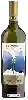
Winery Podere La MarronaiaPiuma della Marronaia
 Sparkling wine


This wine generally goes well with

Details and technical informations about Winery Podere La Marronaia's Piuma della Marronaia.
Discover the grape variety: Bonarda
Supple, fruity reds with an intense ruby colour, soft tannins and a generous palate, showing signature aromas of red fruits (cherry, raspberry), plum, soft spices and floral notes. Often made as frizzante (lightly sparkling), a festive and approachable style. Star of Oltrepò Pavese and Colli Piacentini. A name shared by several distinct varieties: the indigenous Piedmontese Bonarda (not to be confused with Bonarda from Argentina, which is actually Charbono).
Last vintages of this wine
The best vintages of Piuma della Marronaia from Winery Podere La Marronaia are 0
Informations about the Winery Podere La Marronaia
The Winery Podere La Marronaia is one of of the world's greatest estates. It offers 17 wines for sale in the of Vernaccia di San Gimignano to come and discover on site or to buy online.

The wine region of Vernaccia di San Gimignano
Italy's first white DOCG (1993, ex-DOC 1966) in medieval Tuscany: Vernaccia di San Gimignano signature exclusive white king (>=85%) — straw yellow with golden glints intensifying with age, delicate signature aromas of yellow fruits, white flowers, citrus evolving into spicy and mineral notes, dry harmonious palate with signature almond aftertaste. First Italian white DOC in 1966. Clay-sandy hills around the medieval tower city.
The wine region of Tuscany
Kingdom of Sangiovese: upright reds with cherry, plum, dried herbs and leather, lively acidity and firm tannins. Fleshy, food-friendly Chianti Classico DOCG, deep long-ageing Brunello di Montalcino (spice, tobacco, ripe black fruit), elegant Vino Nobile di Montepulciano. On the coast, Bolgheri crafts the opulent Cabernet- and Merlot-based 'Super Tuscans'. Some fresh white Vernaccia.
The word of the wine: Suave
Said of a fine and unctuous wine.