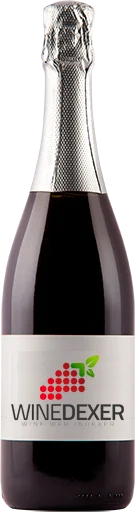
Winery Podere GaiaschiOrtrugo dei Colli Piacentini Frizzante
 Sparkling wine



This wine generally goes well with
Details and technical informations about Winery Podere Gaiaschi's Ortrugo dei Colli Piacentini Frizzante.
Discover the grape variety: Terrano
This is a very old grape variety cultivated in particular in the Istria region of Croatia, Slovenia and Italy. It can also be found in the Republic of Macedonia. In France it is almost unknown. It should not be confused with refosco dal peduncolo rosso, it looks somewhat like it, especially since its synonyms are refosco del Carso or refosco d' Istria.
Last vintages of this wine
The best vintages of Ortrugo dei Colli Piacentini Frizzante from Winery Podere Gaiaschi are 0, 2014
Informations about the Winery Podere Gaiaschi
The Winery Podere Gaiaschi is one of of the world's great estates. It offers 22 wines for sale in the of Colli Piacentini to come and discover on site or to buy online.

The wine region of Colli Piacentini
The wine region of Colli Piacentini is located in the region of Émilie-Romagne of Italy. Wineries and vineyards like the Domaine Marcus Aurelius or the Domaine Luretta produce mainly wines sparkling, red and white. The most planted grape varieties in the region of Colli Piacentini are Cabernet-Sauvignon, Chardonnay and Marsanne, they are then used in wines in blends or as a single variety. On the nose of Colli Piacentini often reveals types of flavors of oaky, tree fruit or vegetal and sometimes also flavors of lychee, mango or orange.
The wine region of Emilia-Romagna
Romagna/emilia">Emilia-Romagna is a Rich and fertile region in Northern Italy, and one of the country's most prolific wine-producing regions, with over 58,000 hectares (143,320 acres) of vines in 2010. It is 240 kilometers (150 miles) wide and stretches across almost the entire northern Italian peninsula, sandwiched between Tuscany to the South, Lombardy and Veneto to the north and the Adriatic Sea to the east. Nine miles of Liguria is all that separates Emilia-Romagna from the Ligurian Sea, and its uniqueness as the only Italian region with both an east and west coast. Emilia-Romagna's wine-growing heritage dates back to the seventh century BC, making it one of the oldest wine-growing regions in Italy.
The word of the wine: Shipping (liquor)
In champagne and wines made according to the traditional method, wine is added before corking to fill the void in the bottle created by disgorging. This added wine is often sweetened by sugar incorporated in variable proportions according to the style of wine sought (see dosage). Syn.: liqueur de dosage.