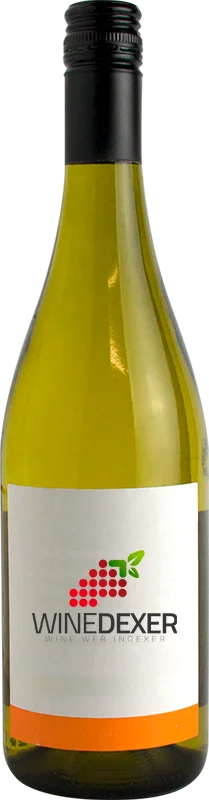
Winery Podere AlberesePittolo
 White wine


In the mouth this white wine is a with a nice freshness.
This wine generally goes well with vegetarian, appetizers and snacks or lean fish.
Taste structure of the Pittolo from the Winery Podere Alberese
Light | Bold | |
Dry | Sweet | |
Soft | Acidic |
In the mouth the Pittolo of Winery Podere Alberese in the region of Tuscany is a with a nice freshness.
Food and wine pairings with Pittolo
Pairings that work perfectly with Pittolo



Original food and wine pairings with Pittolo


The Pittolo of Winery Podere Alberese matches generally quite well with dishes of pasta, vegetarian or appetizers and snacks such as recipes of pasta with walnuts and treviso red salad, spinach and goat cheese quiche or tuna and tomato mini quiches without batter.
Details and technical informations about Winery Podere Alberese's Pittolo.
Discover the grape variety: Isa
Crossing obtained in 1964 between the gloria hungariae or glory of Hungary (Hungarian millennium X muscatel Thalloczy Lajos) by the cardinal. The Isa is registered since 1996 in the Official Catalogue of table grape varieties list A1.
Last vintages of this wine

The best vintages of Pittolo from Winery Podere Alberese are 0, 2017
Informations about the Winery Podere Alberese
The Winery Podere Alberese is one of of the world's greatest estates. It offers 8 wines for sale in the of Tuscany to come and discover on site or to buy online.

The wine region of Tuscany
Tuscany is one of the most famous and prolific wine regions in Europe. It is best known for its Dry red wines made from Sangiovese grapes, which dominate production. These include Chianti, Brunello di Montalcino and Vino Nobile di Montepulciano. The region's Vin Santo is also highly prized, as are its passito dessert wines, though these are produced in comparatively tiny quantities.
The word of the wine: Free-run wine
The free-run wine is the wine that flows out of the vat by gravity at the time of running off. The marc soaked in wine is then pressed to extract a rich and tannic wine. Free-run wine and press wine are then aged separately and eventually blended by the winemaker in proportions defined according to the type of wine being made.