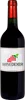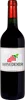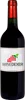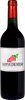
Winery PirovanoRosso
 Red wine
In the mouth this red wine is a powerful.
This wine generally goes well with beef, lamb or pasta.

Taste structure of the Rosso from the Winery Pirovano
Light | Bold | |
Smooth | Tannic | |
Dry | Sweet | |
Soft | Acidic |
In the mouth the Rosso of Winery Pirovano in the region of Puglia is a powerful.
Food and wine pairings with Rosso
Pairings that work perfectly with Rosso



Original food and wine pairings with Rosso
The Rosso of Winery Pirovano matches generally quite well with dishes of beef, pasta or lamb such as recipes of roast beef with garlic, rigatoni with courgettes and tomatoes or lamb tagine with apricots (morocco).
Details and technical informations about Winery Pirovano's Rosso.
Discover the grape variety: Tempranillo
Elegant, structured reds with aromas of strawberry, cherry, plum, leather, blond tobacco and pronounced vanilla from long oak ageing. Ranges from Joven to Crianza, Reserva and Gran Reserva. Star of Rioja DOCa, Ribera del Duero DO and Toro DO, also shines in the Douro as Tinta Roriz/Aragonez. One of the world's most planted Spanish varieties.
Informations about the Winery Pirovano
The Winery Pirovano is one of of the world's great estates. It offers 93 wines for sale in the of Puglia to come and discover on site or to buy online.

The wine region of Puglia
Heel of the boot, 80% red vineyard, sunny and generous. Fleshy, jammy Primitivo (= Zinfandel) with notes of black cherry, plum, chocolate and spices, powerful alcohol and melted tannins, a star in Primitivo di Manduria. Deep, structured Negroamaro (black-bitter) with a bitter finish in Salice Salentino. Structured Nero di Troia, spicy Susumaniello.
The word of the wine: Sulphites
Chemical compounds derived from sulphur (better known in the wine world as SO2) and used by winemakers for their antiseptic, antioxidant and antioxidant properties.