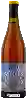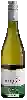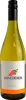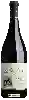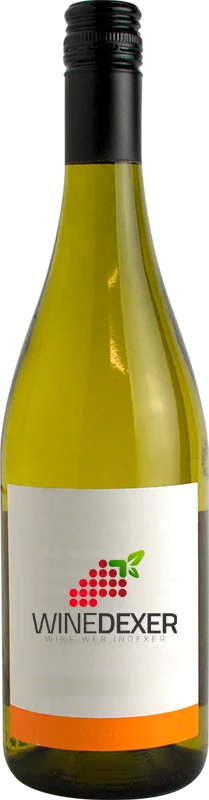
Winery Pioch-FerraVieilles Vignes Muscat De Lunel
 White wine
This wine generally goes well with vegetarian, poultry or lean fish.
Food and wine pairings with Vieilles Vignes Muscat De Lunel
Pairings that work perfectly with Vieilles Vignes Muscat De Lunel



Original food and wine pairings with Vieilles Vignes Muscat De Lunel


The Vieilles Vignes Muscat De Lunel of Winery Pioch-Ferra matches generally quite well with dishes of pasta, vegetarian or poultry such as recipes of chinese fried shrimp ravioli, mushroom, bacon and gruyere quiche or chicken risotto with curry.
Details and technical informations about Winery Pioch-Ferra's Vieilles Vignes Muscat De Lunel.
Discover the grape variety: Côt
Ribs have travelled a long way! In the Middle Ages it was indeed cultivated in the Yonne region. In Bordeaux, it was used in the production of vins clairets and was present in the Loire Valley where today it is only used in the AOC Touraine and Rosé d'Anjou. It goes by different names: Malbec in Bordeaux or Auxerrois in Cahors, in the Quercy vineyards, where it flourishes.it is a very old red grape variety with medium-sized bunches and berries with melting, juicy and sweet flesh. Very sensitive to frost, disease and temperature changes, it is very productive if preserved and if it reaches a good maturity.côt is used in the vineyards of several major appellations such as the AOC Médoc, Graves, Saint-Emilion, Pomerol, Bergerac, Pécharmant, Buzet, Malepère, Marcillac... Wines made from this grape variety are fruity, tannic, deep in colour and have good ageing potential Cultivated on a surface of 5.000 hectares in France, the côt is also very present in Argentina and Chile.
Informations about the Winery Pioch-Ferra
The Winery Pioch-Ferra is one of of the world's greatest estates. It offers 3 wines for sale in the of Languedoc-Roussillon to come and discover on site or to buy online.

The wine region of Languedoc-Roussillon
Languedoc (formerly Coteaux du Languedoc) is a key appellation used in the Languedoc-Roussillon wine region of southern France. It covers Dry table wines of all three colors (red, white and rosé) from the entire region, but leaves Sweet and Sparkling wines to other more specialized appellations. About 75% of all Languedoc wines are red, with the remaining 25% split roughly down the middle between whites and rosés. The appellation covers most of the Languedoc region and almost a third of all the vineyards in France.
The word of the wine: Millerandage
Poor fertilization of some grapes at the time of flowering in cold or rainy weather. Milled grapes do not grow and usually do not contain seeds.