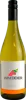
Winery Pingo Doce10 Anos Tawny Vinho do Porto
 wine
wine
This wine generally goes well with
The 10 Anos Tawny Vinho do Porto of the Winery Pingo Doce is in the top 0 of wines of Porto.

Details and technical informations about Winery Pingo Doce's 10 Anos Tawny Vinho do Porto.
Discover the grape variety: Listan Negro
Light, fruity reds with a clear ruby colour, silky tannins and supple palate, showing signature aromas of red fruits (cherry, raspberry, strawberry), Mediterranean herbs, gentle spices and smoky volcanic notes. Airy island profile, best drunk young or with short ageing. Star of the Tacoronte-Acentejo DO and Ycoden-Daute-Isora DO appellations, defining the red wines of the Canary Islands. Native black variety of the Spanish Canary Islands (Tenerife, La Palma).
Last vintages of this wine


The best vintages of 10 Anos Tawny Vinho do Porto from Winery Pingo Doce are 0
Informations about the Winery Pingo Doce
The Winery Pingo Doce is one of of the world's great estates. It offers 99 wines for sale in the of Porto to come and discover on site or to buy online.

The wine region of Porto
One of the world's oldest fortified wines: fortified with grape spirit during fermentation, keeping its residual sugars. Opulent style, long on the palate, notes of candied black fruits, cocoa, fig, walnut, coffee and spices. Four styles: young fruity Ruby (cherry, blackberry), Tawny aged oxidatively in cask (caramel, hazelnut, bitter orange), age-worthy LBV and Vintage, White as aperitif. Grapes: Touriga Nacional, Touriga Franca, Tinta Roriz.
The wine region of Duriense
Portuguese IGP covering the Douro and Porto area (northeast), schist soils on vertiginous terraced slopes, dry continental climate, flexible status outside DOC. Touriga Nacional signature as red king (300+ authorised varieties): intense and floral with blackberry, black cherry, violet, garrigue, liquorice and mineral schist hint, firm tannins — noble Douro emblem. Supple Touriga Franca and spicy Tinta Roriz as complement. Fresh mineral whites and creative modern sparkling.
The word of the wine: Reassembly
During the vinification process, a "cap" is formed at the top of the vats with the solid parts (skin, pulp, pips, etc.), which contain tannins and colouring elements. Pumping over consists of emptying the vat from the bottom and pouring the juice back to the top, in order to mix the cap and the juice and to favour the exchange and the extraction. This old technique allows a better exchange between the solid parts and the liquid.