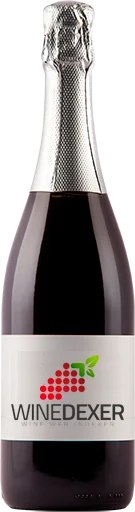
Winery ZinkCrémant d'Alsace Brut Rosé Millésimé
 Sparkling wine
This wine generally goes well with poultry, appetizers and snacks or lean fish.

Food and wine pairings with Crémant d'Alsace Brut Rosé Millésimé
Pairings that work perfectly with Crémant d'Alsace Brut Rosé Millésimé



Original food and wine pairings with Crémant d'Alsace Brut Rosé Millésimé


The Crémant d'Alsace Brut Rosé Millésimé of Winery Zink matches generally quite well with dishes of shellfish, poultry or appetizers and snacks such as recipes of shrimp risotto with curry, fish and chips (english batter) or twists with anchovies.
Details and technical informations about Winery Zink's Crémant d'Alsace Brut Rosé Millésimé.
Discover the grape variety: Esganinho
Nervous, lively whites best drunk young, with a pale golden robe, an airy, low-alcohol palate with preserved acidity, and signature aromas of citrus (lemon, citron), green apple, and vivid herbaceous notes. Often blended to bring freshness to Douro DOC whites and Portuguese sparkling wines. A Portuguese white variety from the Douro and Vinho Verde, whose name evokes its characteristically pronounced acidity.
Informations about the Winery Zink
The Winery Zink is one of of the world's great estates. It offers 28 wines for sale in the of Alsace to come and discover on site or to buy online.

The wine region of Alsace
Capital of great French aromatic whites, most often dry and single-varietal. Straight, mineral Riesling (lemon, gunflint), opulent, exuberant Gewurztraminer (lychee, rose, spices), round, smoky Pinot Gris, floral, crisp Muscat, supple Pinot Blanc. Fine, fruity Crémants d'Alsace, exceptional sweet Vendanges Tardives and Sélection de Grains Nobles. 15,500 ha at the foot of the Vosges on varied soils, 51 Grands Crus since 1975.
The word of the wine: Decanting
A sommelier uses a decanter to separate the clear wine from the solid parts in a bottle.