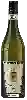
Winery Pier930 Bianco da Uve Stramature
 Sweet wine


This wine generally goes well with sweet desserts
Food and wine pairings with 930 Bianco da Uve Stramature
Pairings that work perfectly with 930 Bianco da Uve Stramature

Original food and wine pairings with 930 Bianco da Uve Stramature
The 930 Bianco da Uve Stramature of Winery Pier matches generally quite well with dishes of sweet desserts such as recipes of grandma's cherry clafoutis.
Details and technical informations about Winery Pier's 930 Bianco da Uve Stramature.
Discover the grape variety: Saint Côme
A very old variety grown in Aveyron, it has almost disappeared from the vineyard. It is registered in the Official Catalogue of wine grape varieties, list A1. According to published genetic analyses, it is the result of a natural cross between the white gouais and the moural - or morrastel -. For more information on other relatives, click here !
Last vintages of this wine
The best vintages of 930 Bianco da Uve Stramature from Winery Pier are 0
Informations about the Winery Pier
The Winery Pier is one of of the world's great estates. It offers 35 wines for sale in the of Piedmont to come and discover on site or to buy online.

The wine region of Piedmont
Piedmont (Piemonte) holds an unrivalled place among the world's finest wine regions. Located in northwestern Italy, it is home to more DOCG wines than any other Italian region, including such well-known and respected names as Barolo, Barbaresco and Barbera d'Asti. Though famous for its Austere, Tannic, Floral">floral reds made from Nebbiolo, Piedmont's biggest success story in the past decade has been Moscato d'Asti, a Sweet, Sparkling white wine. Piedmont Lies, as its name suggests, at the foot of the Western Alps, which encircle its northern and western sides and form its naturally formidable border with Provence, France.
The word of the wine: Foaming
Name given to the second alcoholic fermentation that sparkling wines undergo. It gives rise to a release of carbon dioxide in the bottle.