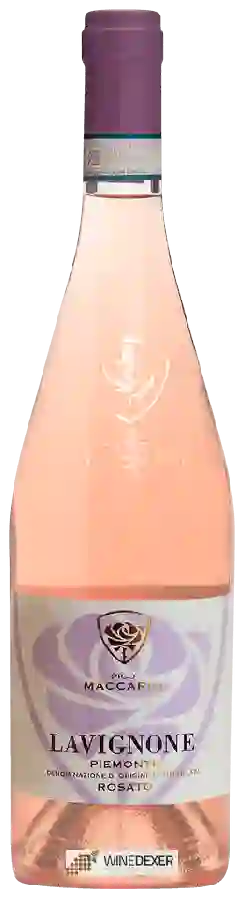
Winery Pico MaccarioPiemonte Lavignone Rosato
 Pink wine


This wine generally goes well with pork, poultry or mild and soft cheese.

Wine flavors and olphactive analysis






On the nose the Piemonte Lavignone Rosato of Winery Pico Maccario in the region of Piedmont often reveals types of flavors of earth, microbio or vegetal and sometimes also flavors of oak, tree fruit or spices.
Food and wine pairings with Piemonte Lavignone Rosato
Pairings that work perfectly with Piemonte Lavignone Rosato



Original food and wine pairings with Piemonte Lavignone Rosato

The Piemonte Lavignone Rosato of Winery Pico Maccario matches generally quite well with dishes of pork, spicy food or poultry such as recipes of pizza calzone with ham and mushrooms, chicken colombo (west indies) or royal couscous (lamb, chicken, merguez).
Details and technical informations about Winery Pico Maccario's Piemonte Lavignone Rosato.
Discover the grape variety: Ancellotta
Intensely coloured, supple reds with an inky violet robe, melted tannins and moderate acidity. Aromas of black cherry, blackberry, plum, violet and soft spicy notes. Round palate, best drunk young. The quintessential blending variety, massively blended with Lambrusco to intensify the colour of Emilia-Romagna sparkling wines; also vinified as a single variety in Argentina, Switzerland and Portugal. Native Italian variety from the province of Reggio Emilia.
Last vintages of this wine

The best vintages of Piemonte Lavignone Rosato from Winery Pico Maccario are 2017, 2019, 2018, 2016 and 0.
Informations about the Winery Pico Maccario
The Winery Pico Maccario is one of of the world's greatest estates. It offers 32 wines for sale in the of Piedmont to come and discover on site or to buy online.

The wine region of Piedmont
Kingdom of Nebbiolo: Barolo and Barbaresco DOCG, long-ageing reds with firm tannins and lively acidity, complex aromas of withered rose, sour cherry, tar, truffle and undergrowth. More accessible, tangy Barbera on red fruit, supple, crisp Dolcetto. Sweet, floral sparkling Moscato d'Asti, mineral, lemony Gavi (Cortese) white, round, almondy Arneis from Roero. 50,000 ha across the Langhe, Roero and Monferrato, UNESCO.
The word of the wine: Late harvest
A name historically used in Alsace, late harvest refers to grapes harvested during over-ripening for the production of sweet and syrupy wines.