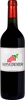
Winery Peyriac de MerVin De Pays Des Coteaux Du Littoral Audois Saince-Eugenie
 Red wine
This wine generally goes well with beef, veal or pasta.
Food and wine pairings with Vin De Pays Des Coteaux Du Littoral Audois Saince-Eugenie
Pairings that work perfectly with Vin De Pays Des Coteaux Du Littoral Audois Saince-Eugenie



Original food and wine pairings with Vin De Pays Des Coteaux Du Littoral Audois Saince-Eugenie
The Vin De Pays Des Coteaux Du Littoral Audois Saince-Eugenie of Winery Peyriac de Mer matches generally quite well with dishes of beef, pasta or veal such as recipes of brazilian feijoada, baked lasagna or osso bucco milanese.
Details and technical informations about Winery Peyriac de Mer's Vin De Pays Des Coteaux Du Littoral Audois Saince-Eugenie.
Discover the grape variety: Freisa
Most certainly from the Italian Piedmont. It is also found in Argentina. We have noted that this variety has a great resemblance with the nebbiolo, also from the Italian Piedmont. According to genetic analyses published in Switzerland, Freisa is a descendant of Viognier and a half-sister of Rèze.
Informations about the Winery Peyriac de Mer
The Winery Peyriac de Mer is one of of the world's greatest estates. It offers 3 wines for sale in the of La Clape to come and discover on site or to buy online.

The wine region of La Clape
The wine region of La Clape is located in the region of Languedoc of Languedoc-Roussillon of France. Wineries and vineyards like the Château la Négly or the Château la Négly produce mainly wines red, white and pink. The most planted grape varieties in the region of La Clape are Mourvèdre, Bourboulenc and Roussanne, they are then used in wines in blends or as a single variety. On the nose of La Clape often reveals types of flavors of cherry, white pepper or apples and sometimes also flavors of dried fruit, bramble or black olive.
The wine region of Languedoc-Roussillon
Languedoc (formerly Coteaux du Languedoc) is a key appellation used in the Languedoc-Roussillon wine region of southern France. It covers Dry table wines of all three colors (red, white and rosé) from the entire region, but leaves Sweet and Sparkling wines to other more specialized appellations. About 75% of all Languedoc wines are red, with the remaining 25% split roughly down the middle between whites and rosés. The appellation covers most of the Languedoc region and almost a third of all the vineyards in France.
The word of the wine: Disgorging (champagne)
This is the evacuation of the deposit formed by the yeasts during the second fermentation in the bottle, by opening the bottle. The missing volume is completed with the liqueur de dosage - a mixture of wine and cane sugar - before the final cork is placed. For some years now, some producers have been replacing this sugar with rectified concentrated musts (concentrated grape juice) which give excellent results. A too recent dosage (less than three months) harms the gustatory harmony of the champagne.