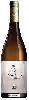
Winery PetizTinto
 Red wine
This wine is a blend of 2 varietals which are the Pinot noir and the Touriga nacional.
In the mouth this red wine is a powerful.
This wine generally goes well with poultry, beef or veal.

Taste structure of the Tinto from the Winery Petiz
Light | Bold | |
Smooth | Tannic | |
Dry | Sweet | |
Soft | Acidic |
In the mouth the Tinto of Winery Petiz in the region of Tejo is a powerful.
Food and wine pairings with Tinto
Pairings that work perfectly with Tinto



Original food and wine pairings with Tinto

The Tinto of Winery Petiz matches generally quite well with dishes of beef, pasta or veal such as recipes of rosbeef casserole mamie, quiche with mixed vegetables or oven-baked veal cutlets.
Details and technical informations about Winery Petiz's Tinto.
Discover the grape variety: Pinot noir
Elegant reds, light in colour with silky tannins, showing strawberry, cherry and raspberry aromas, evolving to forest floor, mushroom and spice with age. Fresh acidity, delicate finish. Star of the Côte d'Or (Romanée-Conti, Chambertin, Volnay), pillar of Champagne (Blanc de Noirs) and signature of Oregon, Central Otago and Sonoma Coast. An early-ripening Burgundian variety, one of the world's greatest.
Informations about the Winery Petiz
The Winery Petiz is one of of the world's great estates. It offers 22 wines for sale in the of Tejo to come and discover on site or to buy online.

The wine region of Tejo
West-central Portuguese region along the Tagus, formerly Ribatejo, 17,000 ha. Supple, fruity reds with signature notes of plum, cherry, Mediterranean herbs and sweet spices, round tannins and a generous palate - fleshy everyday wines. Flagship Castelão (blackberry, tobacco), concentrated Trincadeira, perfumed Touriga Nacional (violet, black fruits), spicy Tinta Roriz. Whites: floral Fernão Pires and lively citrusy Arinto.
The word of the wine: Fruity
A wine whose nose is first characterized by aromas reminiscent of the world of fruit. A wine to be drunk young is essentially fruity, but all wines offer this type of aroma in the first place, which can evolve over time, from the scent of fresh fruit to cooked, stewed, candied or brandied fruit.