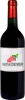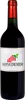
Winery Petgen DahmBarrique Tradition 1720 Spätburgunder
 Red wine
In the mouth this red wine is a with a nice freshness.
This wine generally goes well with poultry, beef or veal.

Taste structure of the Barrique Tradition 1720 Spätburgunder from the Winery Petgen Dahm
Light | Bold | |
Smooth | Tannic | |
Dry | Sweet | |
Soft | Acidic |
In the mouth the Barrique Tradition 1720 Spätburgunder of Winery Petgen Dahm in the region of Mosel is a with a nice freshness.
Food and wine pairings with Barrique Tradition 1720 Spätburgunder
Pairings that work perfectly with Barrique Tradition 1720 Spätburgunder



Original food and wine pairings with Barrique Tradition 1720 Spätburgunder

The Barrique Tradition 1720 Spätburgunder of Winery Petgen Dahm matches generally quite well with dishes of beef, veal or game (deer, venison) such as recipes of beef bourguignon in the oven of nanou, veal blanquette à l'ancienne or garbure landaise.
Details and technical informations about Winery Petgen Dahm's Barrique Tradition 1720 Spätburgunder.
Discover the grape variety: Corinto Nero
Small, intensely coloured seedless grapes, mainly destined for raisin production. More rarely vinified into confidential sweet and liqueur wines from the Aeolian Islands, with a dark colour, luscious palate and aromas of candied black fruit, raisins and spices. Grown in the Cyclades (island of Lipari) and southern Italy. A seedless mutation of the Corinth raisin, an ancient Greek black variety.
Informations about the Winery Petgen Dahm
The Winery Petgen Dahm is one of of the world's great estates. It offers 49 wines for sale in the of Mosel to come and discover on site or to buy online.

The wine region of Mosel
Kingdom of lively, crystalline Riesling: citrus, green apple, gunflint, tangy tension and signature slate minerality. From light, fruity Kabinett to off-dry Spätlese, up to sweet Auslese and Trockenbeerenauslese of rare finesse. Some supple Müller-Thurgau and lively Elbling. Steeply sloped vineyards (up to 65% at the Bremmer Calmont) on blue and grey slate, 5,400 ha of Riesling (61.
The word of the wine: Reasoned (agriculture)
Conventional agriculture but concerned with limiting synthetic treatments as much as possible.