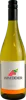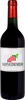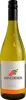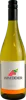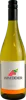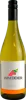
Winery Peter HuffPetershof Spätburgunder Weissherbst Feinherb
 Pink wine



This wine generally goes well with poultry, beef or veal.

Food and wine pairings with Petershof Spätburgunder Weissherbst Feinherb
Pairings that work perfectly with Petershof Spätburgunder Weissherbst Feinherb



Original food and wine pairings with Petershof Spätburgunder Weissherbst Feinherb

The Petershof Spätburgunder Weissherbst Feinherb of Winery Peter Huff matches generally quite well with dishes of beef, veal or game (deer, venison) such as recipes of beef pot au feu (grandma's style), veal colombo or home-made cassoulet.
Details and technical informations about Winery Peter Huff's Petershof Spätburgunder Weissherbst Feinherb.
Discover the grape variety: Gamay blanc
Supple and fruity whites to drink young, pale golden robe, airy palate with moderate acidity, signature aromas of white-fleshed fruits (apple, pear) and white flowers. Discreet Beaujolais profile. Now rare, grown in negligible quantities in Beaujolais and Mâconnais, used in artisanal micro-cuvées. White-skinned mutation of Gamay Noir, better known as Gamay Blanc Gloriod, obtained by Henri Gloriod in the 20th century.
Last vintages of this wine
The best vintages of Petershof Spätburgunder Weissherbst Feinherb from Winery Peter Huff are 0
Informations about the Winery Peter Huff
The Winery Peter Huff is one of of the world's greatest estates. It offers 16 wines for sale in the of Rheinhessen to come and discover on site or to buy online.

The wine region of Rheinhessen
71% white region: Riesling is king (5,000 ha), dry to off-dry, ripe yellow fruit, apple, citrus and fine saline minerality. Supple, floral Müller-Thurgau for everyday, the world's largest Silvaner plantation with herbaceous, straight notes. Historic cradle of off-sweet Liebfraumilch. Some supple reds (Dornfelder, Spätburgunder).
The word of the wine: Texture
In tasting, the equivalent of touch. It is the set of tactile sensations perceived by the mucous membranes of the mouth: silky, velvety, sticky, fatty, astringent, pasty, etc.