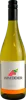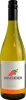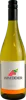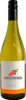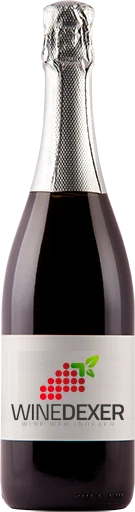
Winery Perceval PascalCrémant de Savoie
 Sparkling wine



In the mouth this sparkling wine is a powerful with a nice vivacity and a fine and pleasant bubble.
This wine generally goes well with poultry, appetizers and snacks or lean fish.
Taste structure of the Crémant de Savoie from the Winery Perceval Pascal
Light | Bold | |
Soft | Acidic | |
Gentle | Fizzy |
In the mouth the Crémant de Savoie of Winery Perceval Pascal in the region of Savoie is a powerful with a nice vivacity and a fine and pleasant bubble.
Wine flavors and olphactive analysis


On the nose the Crémant de Savoie of Winery Perceval Pascal in the region of Savoie often reveals types of flavors of non oak, earth or oak and sometimes also flavors of tree fruit.
Food and wine pairings with Crémant de Savoie
Pairings that work perfectly with Crémant de Savoie



Original food and wine pairings with Crémant de Savoie


The Crémant de Savoie of Winery Perceval Pascal matches generally quite well with dishes of shellfish, poultry or appetizers and snacks such as recipes of mussels with white wine and tomato, chicken colombo (west indies) or lightweight microwave chips.
Details and technical informations about Winery Perceval Pascal's Crémant de Savoie.
Discover the grape variety: Alvarinho
The white Alvarinho is a grape variety originating from Spain. It produces a variety of grape specially used for the elaboration of wine. It is rare to find this grape to eat on our tables. This variety of grape is characterized by small bunches and small grapes. The white Alvarinho can be found cultivated in these vineyards: South-West, Cognac, Bordeaux, Languedoc & Roussillon, Rhone Valley.
Informations about the Winery Perceval Pascal
The Winery Perceval Pascal is one of of the world's greatest estates. It offers 59 wines for sale in the of Savoie to come and discover on site or to buy online.

The wine region of Savoie
Savoie is a wine region in eastern France, in the mountainous areas just South of Lake Geneva and on the border with Switzerland. The location and geography of the region has very much defined its Character, which is fragmented, hilly and slightly Swiss. This is evident in the fresh, crisp white wines produced here, as well as in the labels of the region's wines. Many bear a white cross on a red background - the flag of Switzerland and Savoy.
The word of the wine: Alcohol content
Quantity of alcohol in wine and in all alcoholic beverages, expressed in degrees or as a percentage.