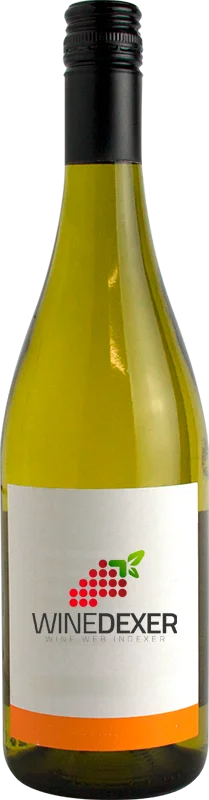
Winery Perceval PascalApremont La Pierre Hâché
 White wine



This wine generally goes well with

Wine flavors and olphactive analysis




On the nose the Apremont La Pierre Hâché of Winery Perceval Pascal in the region of Savoie often reveals types of flavors of grapefruit, citrus or apples and sometimes also flavors of lemon, cheese or melon.
Details and technical informations about Winery Perceval Pascal's Apremont La Pierre Hâché.
Discover the grape variety: Mandó
Supple, fruity reds with a clear ruby robe, silky tannins and an airy palate, with signature aromas of red fruits (cherry, raspberry), Mediterranean herbs (thyme, rosemary) and Levantine garrigue notes. A rustic, airy, near-extinct profile. Preserved for its heritage value, it is among the Levantine native grapes under study. Near-extinct native Spanish black grape from Valencia and Alicante.
Last vintages of this wine
The best vintages of Apremont La Pierre Hâché from Winery Perceval Pascal are 2018
Informations about the Winery Perceval Pascal
The Winery Perceval Pascal is one of of the world's greatest estates. It offers 59 wines for sale in the of Vin de Savoie to come and discover on site or to buy online.

The wine region of Vin de Savoie
French Alpine AOC between lakes and mountains (~1,755 ha, 71% whites). Lively, mineral whites dominate. Signature Jacquere of the Apremont, Abymes, Chignin crus: with signature notes of white flowers, green apple, citrus, almond and gunflint, a taut and thirst-quenching palate — the Savoyard aperitif with fondue or raclette. Altesse (Roussette) more noble and broad (honey, hazelnut, ripe citrus).
The wine region of Savoie
French Alpine vineyard with unique native grapes. Signature Jacquère in whites (~50% of the vineyard): lively, light dry wines with white flowers, green apple, citrus, fresh almond and a mineral touch, perfect with fondue and raclette. Ampler Altesse (Roussette) (pear, honey, hazelnut). Fruity, peppery Mondeuse reds (cherry, violet, firm tannins), light Gamay and fine Pinot Noir.
The word of the wine: Residual sugars
Sugars not transformed into alcohol and naturally present in the wine. The perception of residual sugars is conditioned by the acidity of the wine. The more acidic the wine is, the less sweet it will seem, given the same amount of sugar.