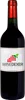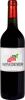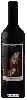
Winery Penrose HillBold Red
 Red wine


This wine generally goes well with
Wine flavors and olphactive analysis




On the nose the Bold Red of Winery Penrose Hill in the region of California often reveals types of flavors of non oak, earth or microbio and sometimes also flavors of oak, spices or red fruit.
Details and technical informations about Winery Penrose Hill's Bold Red.
Discover the grape variety: Raffiat de Moncade
Raffiat de Moncade is a white Pyrenean grape variety. A descendant of the white gouais, it should not be confused with the arruffiac. This grape variety has truncated cone-shaped bunches of grapes, which are stalked and winged. The raffiat de Moncade was used by the ampelographer Marcel Durquety to obtain new varieties such as perdea, arroba and arriloba. Still called rousselet, the raffiat de Moncade is associated with an early budding in the year and a late maturity of the second period. It has a semi-spreading habit. This variety is quite productive and resists grey rot and powdery mildew quite well. Raffiat de Moncade is used in the vinification of certain wines from Tursan and Béarn. It is used to produce a neutral, fine, high alcohol and warm wine. It is often combined with petit manseng and gros manseng, which give the wines a high acidity.
Last vintages of this wine
The best vintages of Bold Red from Winery Penrose Hill are 2016, 0
Informations about the Winery Penrose Hill
The Winery Penrose Hill is one of of the world's greatest estates. It offers 9 wines for sale in the of California to come and discover on site or to buy online.

The wine region of California
California is the largest and most important wine region in the United States. It represents the southern two-thirds (850 miles or 1,370 kilometers) of the country's west coast. (Oregon and Washington make up the rest. ) The state also spans nearly 10 degrees of latitude.
The word of the wine: Malolactic fermentation
Called second fermentation or malo for short. It is the degradation (under the effect of bacteria) of the malic acid naturally present in the wine into milder, less aggressive lactic acid. Some producers or wineries refuse this operation by "blocking the malo" (by cold and adding SO2) to keep a maximum of acidity which carries the aromas and accentuates the sensation of freshness.