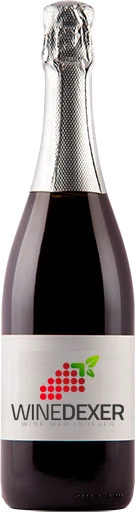
Winery Santo Isidro de PegõesMètodo Clássico Meio Seco
 Sparkling wine



This wine generally goes well with sweet desserts
Food and wine pairings with Mètodo Clássico Meio Seco
Pairings that work perfectly with Mètodo Clássico Meio Seco

Original food and wine pairings with Mètodo Clássico Meio Seco
The Mètodo Clássico Meio Seco of Winery Santo Isidro de Pegões matches generally quite well with dishes of sweet desserts such as recipes of meringue for dummies.
Details and technical informations about Winery Santo Isidro de Pegões's Mètodo Clássico Meio Seco.
Discover the grape variety: Sérénèze de Voreppe
A very old grape variety that was once grown in the Grésivaudan region, and more generally in the Isère Valley from Grenoble to Tullins. It could also be found in Savoie and in the northern part of the Drôme. It should be noted that it was confused for a long time - even today - with the ciréné de Romans with which it shares many synonyms including sérenèze. According to Thierry Lacombe (I.N.R.A./Montpellier), it is the result of a natural intraspecific cross between the white gouais and the chatus. Sérénèze de Voreppe is registered in the Official Catalogue of wine grape varieties, list A1, under the name Sérénèze.
Last vintages of this wine
The best vintages of Mètodo Clássico Meio Seco from Winery Santo Isidro de Pegões are 2008, 0
Informations about the Winery Santo Isidro de Pegões
The Winery Santo Isidro de Pegões is one of of the world's great estates. It offers 30 wines for sale in the of Península de Setúbal to come and discover on site or to buy online.

The wine region of Península de Setúbal
Portuguese peninsula south of Lisbon between the Tagus and Sado estuaries. World-renowned speciality: Moscatel de Setúbal, a golden fortified sweet wine with signature notes of candied orange, dried apricot, honey, fig, currant and sweet spices, long ageing — the rare Roxo version has more floral notes. Also fruity, supple Castelão reds (64%) (blackberry, plum), perfumed Touriga Nacional. Oceanic climate.
The word of the wine: Fendant
See chasselas.