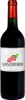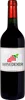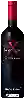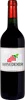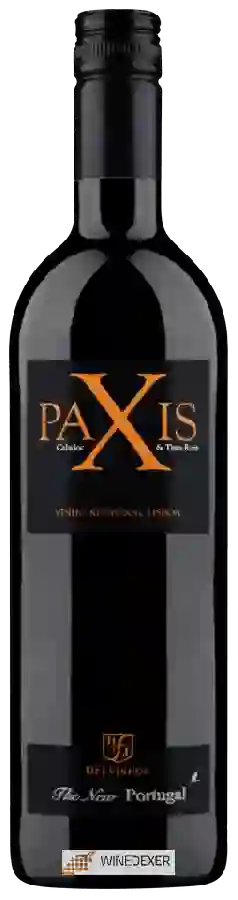
Winery PaxisLisboa Caladoc - Tinta Roriz
 Red wine



In the mouth this red wine is a powerful with a nice freshness.
This wine generally goes well with poultry, beef or veal.

Taste structure of the Lisboa Caladoc - Tinta Roriz from the Winery Paxis
Light | Bold | |
Smooth | Tannic | |
Dry | Sweet | |
Soft | Acidic |
In the mouth the Lisboa Caladoc - Tinta Roriz of Winery Paxis in the region of Lisboa is a powerful with a nice freshness.
Food and wine pairings with Lisboa Caladoc - Tinta Roriz
Pairings that work perfectly with Lisboa Caladoc - Tinta Roriz



Original food and wine pairings with Lisboa Caladoc - Tinta Roriz

The Lisboa Caladoc - Tinta Roriz of Winery Paxis matches generally quite well with dishes of beef, pasta or veal such as recipes of roast beef in a crust, pasta gratin or cordon bleu with veal and cured ham.
Details and technical informations about Winery Paxis's Lisboa Caladoc - Tinta Roriz.
Discover the grape variety: Caladoc
Deeply coloured, structured reds with a dense purple robe, smooth tannins and a round palate, with aromas of blackberry, blackcurrant, plum, garrigue, spice and balsamic notes. Good short-to-medium ageing. Vinified in blends and as single varietal in IGP Pays d'Oc and Méditerranée (Languedoc-Roussillon, Provence), also adopted in Morocco, Tunisia, Israel and Spain. A Grenache × Malbec cross created in 1958 by Paul Truel in Montpellier (INRA).
Last vintages of this wine
The best vintages of Lisboa Caladoc - Tinta Roriz from Winery Paxis are 2016, 2013, 0, 2015 and 2012.
Informations about the Winery Paxis
The Winery Paxis is one of of the world's greatest estates. It offers 12 wines for sale in the of Lisboa to come and discover on site or to buy online.

The wine region of Lisboa
Vast coastal IGP north of Lisbon, Portugal's largest producer by volume. Accessible, sun-filled reds: fruity, spicy Castelão, dense Touriga Nacional (black fruit, violet), fleshy Trincadeira, deep Alicante Bouschet. Fresh, mineral whites: straight, lemony Arinto (star of Bucelas), aromatic Fernão Pires, round Vital and Malvasia. Structured reds from Alenquer, sparkling at Óbidos.
The word of the wine: Classified growth
Place name or castle subject to a classification (Médoc classification of 1855, classified growths of Alsace...)