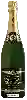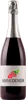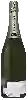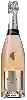
Winery Paul LouisPink Label Blanc de Blancs Brut
 Sparkling wine


This wine generally goes well with

Details and technical informations about Winery Paul Louis's Pink Label Blanc de Blancs Brut.
Discover the grape variety: Nielluccio
Structured and elegant reds with a deep ruby colour, firm tannins and lively acidity, on aromas of cherry, plum, garrigue, Mediterranean herbs (myrtle, rosemary), spices and balsamic notes. Fine ageing potential. The absolute star of Patrimonio AOC on the clay-limestone marls of northern Corsica, a pillar of Ajaccio AOC and the island's reds. Genetically identical to Tuscan Sangiovese, brought to Corsica in the 18th century by the Genoese.
Informations about the Winery Paul Louis
The Winery Paul Louis is one of of the world's greatest estates. It offers 8 wines for sale in the of Crémant de Loire to come and discover on site or to buy online.

The wine region of Crémant de Loire
Loire AOC for traditional-method sparkling wines (1975), a refined alternative to Champagne in Anjou, Saumur, Touraine. Fine, fresh bubbles with signature notes of green apple, pear, white flowers, brioche and a honeyed touch, a taut and thirst-quenching palate. Chenin Blanc as the base of Loire expression, complemented by round Chardonnay, Cabernet Franc (raspberry roses), Pinot Noir, Grolleau, Pineau d'Aunis. Hand-harvested, aged min.
The wine region of Loire Valley
Kingdom of lively, dry whites and fine sparklers. Mineral, taut Sauvignon Blanc (Sancerre, Pouilly-Fumé) with citrus and gunflint notes. Multiform Chenin Blanc (Vouvray, Savennières, Layon): straight dry, floral off-dry or noble sweet honey-quince. Saline, iodised Muscadet (Melon B.
The word of the wine: Millerandage
Poor fertilization of some grapes at the time of flowering in cold or rainy weather. Milled grapes do not grow and usually do not contain seeds.