The Winery Paul Chamblain of Burgundy
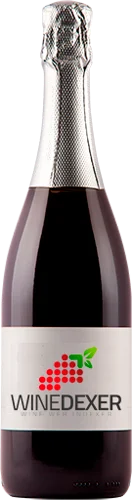
Winery Paul Chamblain
The winery offers 3 different wines
3.1


Note - 1Note - 1Note - 1Note - 0Note - 0
Its wines get an average rating of 3.1.
It is currently not ranked among the best domains of Burgundy.
It is located in Burgundy

The Winery Paul Chamblain is one of the best wineries to follow in Bourgogne.. It offers 3 wines for sale in of Burgundy to come and discover on site or to buy online.
Top Winery Paul Chamblain wines

Looking for the best Winery Paul Chamblain wines in Burgundy among all the wines in the region? Check out our tops of the best red, white or effervescent Winery Paul Chamblain wines. Also find some food and wine pairings that may be suitable with the wines from this area. Learn more about the region and the Winery Paul Chamblain wines with technical and enological descriptions.

The top sparkling wines of Winery Paul Chamblain

Food and wine pairings with a sparkling wine of Winery Paul Chamblain

How Winery Paul Chamblain wines pair with each other generally quite well with dishes of shellfish, lean fish or fruity desserts such as recipes of lamb curry indian style, salmon and cod cassolettes or apple cake.

The grape varieties most used in the sparkling wines of Winery Paul Chamblain.

  • Chenin Blanc
  • Ugni blanc

Discovering the wine region of Burgundy

Bourgogne is the catch-all regional appellation title of the Burgundy wine region in eastern France ("Bourgogne" is the French name for Burgundy). Burgundy has a Complex and comprehensive appellation system; counting Premier Cru and Grand Cru titles, the region has over 700 appellation titles for its wines. Thus, Burgundy wines often come from one Vineyard (or several separate vineyards) without an appellation title specific to the region, Village or even vineyard. A standard Burgundy wine may be made from grapes grown in one or more of Burgundy's 300 communes.

Unlike Burgundy's village appellations, which specialize in red or white wines or a combination of both, Burgundy covers red, white and rosé wines, and even Sparkling wines as in the case of Crémant de Bourgogne and Bourgogne Mousseux. Each Burgundy appellation may be followed by the Color of the wine (white, red or rosé), as appropriate, and if not already implied by the appellation itself. Red Burgundy is produced almost exclusively from Pinot Noir grapes and is Distinguished from White Burgundy, which is produced from white grapes (mainly Chardonnay). A key difference between Burgundy wines and those produced under the Village, Premier Cru and Grand Cru appellations is that the grape variety used in the wine can be indicated on the label.

This has contributed to the perception and marketing of Burgundy wines in foreign markets, where a Burgundy Pinot Noir or a Burgundy Chardonnay is much easier to sell. To accommodate the different styles of wine produced in Burgundy, there are six key Burgundy appellations: Burgundy itself, Burgundy Aligoté (limited to the named white grape variety with other regulations distinguishing it from the generic regional appellation), "Bourgogne Mousseux", "Bourgogne Grand Ordinaire", Bourgogne Passe-tout and Crémant de Bourgogne. There are even two appellations dedicated to the region's brandies: Eau-de-vie de Vin de Bourgogne and Eau-de-vie de Marc de Bourgogne. Some of the above appellations may be suffixed with the name of the sub-region, village or vineyard where the grapes were grown.

Discover other wineries and winemakers neighboring the Winery Paul Chamblain

Planning a wine route in the of Burgundy? Here are the wineries to visit and the winemakers to meet during your trip in search of wines similar to Winery Paul Chamblain.

Discover the grape variety: Chenin blanc

It most certainly originates from the Anjou region and is registered in the official catalogue of wine grape varieties on the A1 list. It can also be found in South Africa, Australia, Argentina, Chile, the United States (California), New Zealand, etc. It is said to be a descendant of Savagnin and to have sauvignonasse as its second parent (Jean-Michel Boursiquot 2019). On the other hand, Chenin blanc is the half-brother of verdelho and sauvignon blanc and is the father of colombard.