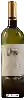
Winery Paradise SpringsViognier
 White wine



This wine generally goes well with pork, poultry or game (deer, venison).

Wine flavors and olphactive analysis


On the nose the Viognier of Winery Paradise Springs in the region of Virginia often reveals types of flavors of earth, microbio or tree fruit and sometimes also flavors of citrus fruit.
Food and wine pairings with Viognier
Pairings that work perfectly with Viognier



Original food and wine pairings with Viognier



The Viognier of Winery Paradise Springs matches generally quite well with dishes of pork, game (deer, venison) or shellfish such as recipes of peasant minestrone, roast doe in the oven or tagliatelle with shrimps.
Details and technical informations about Winery Paradise Springs's Viognier.
Discover the grape variety: Viognier
Opulent, heady whites, rich and silky, with intense aromas of apricot, yellow peach, mango, violet, honeysuckle and musky, honeyed notes. Discreet acidity, creamy finish. Star of Condrieu AOC and Château-Grillet AOC, co-vinified in Côte-Rôtie with Syrah (up to 20%). Widely exported to California (Central Coast), Australia (Eden Valley) and Languedoc. A Rhône variety.
Last vintages of this wine
The best vintages of Viognier from Winery Paradise Springs are 2019, 2017, 2014, 2012 and 0.
Informations about the Winery Paradise Springs
The Winery Paradise Springs is one of of the world's great estates. It offers 41 wines for sale in the of Virginia to come and discover on site or to buy online.

The wine region of Virginia
Quality pole of the American east coast, unique signature in Viognier: ample, fragrant whites with notes of apricot, white peach, honey and flowers, silky on the palate. Cabernet Franc star in red, fine and fresh (raspberry, ripe pepper, spices). Also dense Petit Verdot, round Merlot, balanced Chardonnay, Vidal Blanc and native Norton. Humid continental climate tempered by the Appalachians, 8 AVAs (Monticello, Shenandoah).
The word of the wine: Thermoregulation
Control of the vinification temperatures (by circulating hot or cold water on the walls of the vats, for example). This is a major step forward, which in particular helps to preserve the freshness of the aromas threatened by excessive temperature rises during fermentation.