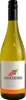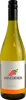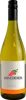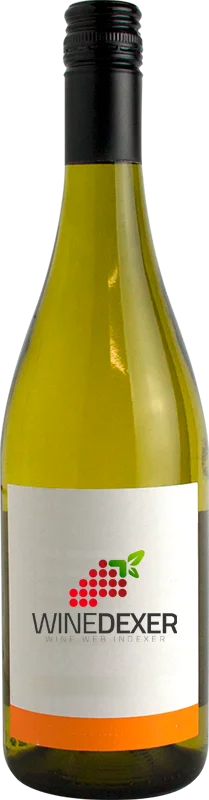
Winery ParadeiserRoter Veltliner
 White wine


This wine generally goes well with

Wine flavors and olphactive analysis



On the nose the Roter Veltliner of Winery Paradeiser in the region of Weinland often reveals types of flavors of non oak, vegetal or oak and sometimes also flavors of tree fruit.
Details and technical informations about Winery Paradeiser's Roter Veltliner.
Discover the grape variety: Mavro
Light, low-coloured reds to drink young, with a clear ruby robe, soft tannins and an airy palate on simple red fruit (cherry, strawberry) and Mediterranean notes. Also the base for the dried-grape Commandaria. Historic pillar of Cypriot wines and base of the ancestral Commandaria when raisined with Xynisteri. Autochthonous black variety of Cyprus, the most widely planted on the island.
Last vintages of this wine
The best vintages of Roter Veltliner from Winery Paradeiser are 0
Informations about the Winery Paradeiser
The Winery Paradeiser is one of of the world's greatest estates. It offers 13 wines for sale in the of Niederösterreich to come and discover on site or to buy online.

The wine region of Niederösterreich
Homeland of Grüner Veltliner: Austria's signature dry whites, lively, peppery ("Pfefferl"), with notes of citrus, green apple, fennel and fine minerality, from crunchy everyday to great age-worthy bottles on lees. Taut, precise Riesling on the Wachau terraces (UNESCO). Quieter reds: supple Zweigelt with red fruit. Subregions: Wachau, Kremstal, Kamptal, Wagram, Weinviertel.
The wine region of Weinland
Vast German-speaking region in north-eastern Switzerland, the country's largest production area. Signature Pinot Noir (Blauburgunder): fine, fresh reds with notes of cherry, raspberry, undergrowth and sweet spices, silky tannins. Elegant, delicate style, often barrel-aged. Also light, floral Müller-Thurgau (Riesling-Sylvaner), lively, lemony native Räuschling, ample Pinot Gris.
The word of the wine: Yeast
Micro-organisms at the base of all fermentative processes. A wide variety of yeasts live and thrive naturally in the vineyard, provided that treatments do not destroy them. Unfortunately, their replacement by laboratory-selected yeasts is often the order of the day and contributes to the standardization of the wine. Yeasts are indeed involved in the development of certain aromas.