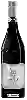
Winery Paola SordoBarbera d'Alba
 wine
wine
This wine generally goes well with
The Barbera d'Alba of the Winery Paola Sordo is in the top 0 of wines of Barbera d'Alba.
Details and technical informations about Winery Paola Sordo's Barbera d'Alba.
Discover the grape variety: Sylvaner
The sylvaner is grown mainly in Germany and Alsace. The buds are somewhat cottony and the young leaves are green. The same applies to the ribbed branches. Once mature, the dominant colour is golden-green and small elliptical berries with small to medium-sized bunches can be seen. The ripe fruit is then adorned by five-lobed leaves. This variety is susceptible to chlorosis, gray mold, powdery mildew and mildew. It is also sensitive to frost and wind because of its long branches. It can be grown in any kind of soil, although it prefers stony, sandy and light soils. It is indeed moderately acidic and offers a complex set of aromas such as bitter almond, fruity and floral background. The taste has an excellent mixture of honey and candied or dried fruits.
Informations about the Winery Paola Sordo
The Winery Paola Sordo is one of of the world's great estates. It offers 21 wines for sale in the of Barbera d'Alba to come and discover on site or to buy online.

The wine region of Barbera d'Alba
The wine region of Barbera d'Alba is located in the region of Piémont of Italy. Wineries and vineyards like the Domaine Bospoeper or the Domaine Roberto Voerzio produce mainly wines red and sweet. The most planted grape varieties in the region of Barbera d'Alba are Nebbiolo, they are then used in wines in blends or as a single variety. On the nose of Barbera d'Alba often reveals types of flavors of cream, stone or tree fruit and sometimes also flavors of oil, pomegranate or sage.
The wine region of Piedmont
Piedmont (Piemonte) holds an unrivalled place among the world's finest wine regions. Located in northwestern Italy, it is home to more DOCG wines than any other Italian region, including such well-known and respected names as Barolo, Barbaresco and Barbera d'Asti. Though famous for its Austere, Tannic, Floral">floral reds made from Nebbiolo, Piedmont's biggest success story in the past decade has been Moscato d'Asti, a Sweet, Sparkling white wine. Piedmont Lies, as its name suggests, at the foot of the Western Alps, which encircle its northern and western sides and form its naturally formidable border with Provence, France.
The word of the wine: Tertiary aromas
Aromas resulting from the aging of the wine in the bottle. The aromas evolve with time, from fresh fruitiness to notes of stewed, candied or dried fruit, to aromas of venison or undergrowth.