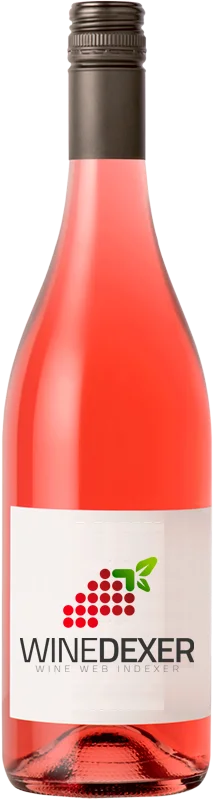
Winery PamukkaleAnfora Harman Rosé
 Pink wine


This wine generally goes well with

Details and technical informations about Winery Pamukkale's Anfora Harman Rosé.
Discover the grape variety: Manseng noir
Light, delicate reds with a pale, lightly coloured ruby, soft tannins and an airy palate with fresh acidity, delicate aromas of red fruits (raspberry, wild strawberry). Rustic, discreet profile. Preserved for its heritage value in a few plots in Béarn, belongs to the old South-West varieties studied (with no direct genetic link to the white Mansengs). Indigenous French black variety from the South-West.
Last vintages of this wine

The best vintages of Anfora Harman Rosé from Winery Pamukkale are 2016, 0
Informations about the Winery Pamukkale
The Winery Pamukkale is one of of the world's great estates. It offers 69 wines for sale in the of Denizli to come and discover on site or to buy online.

The wine region of Denizli
Wine region of western Turkey (inland Aegean), Çal high plateau (700-1,200 m) supplying one fifth of national wine grapes. Volcanic soils and red mineral earths. Signature Çalkarası native variety: lively rosés and light reds with notes of strawberry, cherry, raspberry, pomegranate, citrus and mineral touch, taut acidity and fresh palate — the regional specialty. Also white Sultaniye, firm Cabernet Sauvignon, peppery Syrah, full Chardonnay, lively Sauvignon.
The wine region of Ege Bolgesi
Turkey's largest wine region (Aegean Sea, ~52% of production), ancient cradle of Smyrna and Ephesus, hot Mediterranean climate on clay-limestone and schist soils. Sultaniye is the signature white king (seedless grape, ~95% of vines at Manisa): lively and light with citrus, green apple, white flowers and honey touch, from dry to semi-sweet. Bornova Misketi (Muscat) floral and aromatic, Çalkarası as spiced rosé. International Cabernet and Syrah.
The word of the wine: Second fermentation
In the making of champagne, fermentation of the base wine to which is added the liqueur de tirage and which takes place in the bottle. This second fermentation produces the carbon dioxide, and therefore the bubbles that make up the effervescence of the wine.


