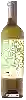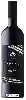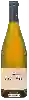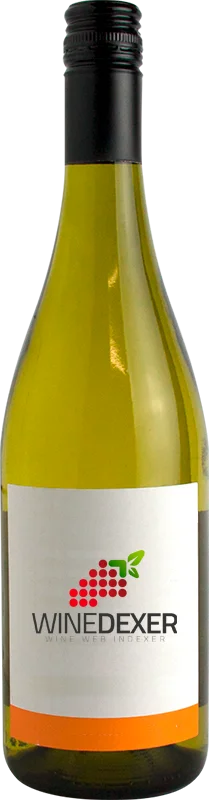
Winery OynosBianco
 White wine


In the mouth this white wine is a powerful.
This wine generally goes well with vegetarian, appetizers and snacks or shellfish.
Taste structure of the Bianco from the Winery Oynos
Light | Bold | |
Dry | Sweet | |
Soft | Acidic |
In the mouth the Bianco of Winery Oynos in the region of Sicily is a powerful.
Food and wine pairings with Bianco
Pairings that work perfectly with Bianco



Original food and wine pairings with Bianco
The Bianco of Winery Oynos matches generally quite well with dishes of shellfish, vegetarian or appetizers and snacks such as recipes of tagliatelle with scallops, magic cake cheese quiche or parmesan and poppy seed tuiles (5th meeting).
Details and technical informations about Winery Oynos's Bianco.
Discover the grape variety: Golden muscat
Interspecific cross between Hamburg Muscat and Diamond (concord x iona) obtained in 1927 by R.D. Anthony at the Cornell University experimental station in Geneva (USA).
Last vintages of this wine
The best vintages of Bianco from Winery Oynos are 0
Informations about the Winery Oynos
The Winery Oynos is one of of the world's greatest estates. It offers 6 wines for sale in the of Sicily to come and discover on site or to buy online.

The wine region of Sicily
Sicily is the Southernmost region of Italy, and the largest island in the Mediterranean Sea. For over 2500 years, Sicily (Sicilia in Italian) has been an important centre of Mediterranean viticulture, although the reputation and style of its wines have changed considerably over time. The island was once best known for its Sweet muscatels (see Pantelleria), and later for its fortified Marsala. Today, many of its best-known wines are Dry table wines produced under the regional designation IGT Terre Siciliane, or Sicilia DOC (see below).
The word of the wine: Tanin
A natural compound contained in the skin of the grape, the seed or the woody part of the bunch, the stalk. The maceration of red wines allows the extraction of tannins, which give the texture, the solidity and also the mellowness when the tannins are "ripe". The winemaker seeks above all to extract the tannins from the skin, the ripest and most noble. The tannins of the seed or stalk, which are "greener", especially in average years, give the wine hardness and astringency. The wines of Bordeaux (based on Cabernet and Merlot) are full of tannins, those of Burgundy much less so, with Pinot Noir containing little.