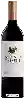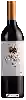
Winery Northwest CellarsCabernet Sauvignon
 wine
wine
This wine generally goes well with
The Cabernet Sauvignon of the Winery Northwest Cellars is in the top 0 of wines of Columbia Valley.

Details and technical informations about Winery Northwest Cellars's Cabernet Sauvignon.
Discover the grape variety: Madeleine-Sylvaner
Aromatic, lively dry whites with a pale golden robe, a supple palate with preserved acidity, and signature muscat-like aromas, white flowers and citrus notes. Early-ripening and productive. Grown on small areas in Germany and England, well adapted to northern viticultural climates. German white variety obtained in 1932 at Alzey by Georg Scheu (Madeleine angevine × Sylvaner).
Informations about the Winery Northwest Cellars
The Winery Northwest Cellars is one of of the world's great estates. It offers 29 wines for sale in the of Columbia Valley to come and discover on site or to buy online.

The wine region of Columbia Valley
Cradle of Washington State's great reds. Dense, structured Cabernet Sauvignon (blackcurrant, blackberry, graphite, firm tannins), round velvety Merlot, signature Syrah with peppery notes, black olive and deep black fruit. Also precise whites: balanced Chardonnay, taut fruity Riesling with peach notes. Semi-desert vineyard of 24,300 ha sheltered by the Cascades, loess soils over basalt, strong temperature swings.
The wine region of Washington
2nd US producer by volume, on the arid, sunny Columbia Valley. Star Cabernet Sauvignon (~60% of reds): powerful and structured with signature notes of blackcurrant, blackberry, cedar, dry herbs and graphite, firm tannins. Fleshy, peppery Syrah (black fruits, smoked meat). Round, fruity Merlot, historic mineral Riesling (dry and off-dry), precise Chardonnay and ample Sémillon.
The word of the wine: Muscat blanc à petits grains
A white grape variety cultivated since antiquity on the shores of the Mediterranean, it is considered the noblest of the muscats. It is mainly used to make sweet wines, often from mutage. In France, it is the sole variety used in many natural sweet wines: muscat-de-frontignan, muscat-de-mireval, muscat-de-lunel, muscat-de-saint-jean-de-minervois, muscat-de-beaumes-de-venise, muscat-du-cap-corse. Combined with Muscat d'Alexandrie, it gives Muscat-de-Rivesaltes. It is also used to make sparkling white wines (clairette-de-die; moscato d'asti and asti spumante in Italy) and dry wines (alsace-muscat). Powerfully aromatic and complex, its wines evoke fresh grapes, roses, exotic fruits, citrus fruits and spices.