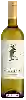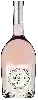
Winery NoreGrenache Rosé
 Pink wine



In the mouth this pink wine is a .
This wine generally goes well with vegetarian, appetizers and snacks or lean fish.

Taste structure of the Grenache Rosé from the Winery Nore
Light | Bold | |
Dry | Sweet | |
Soft | Acidic |
In the mouth the Grenache Rosé of Winery Nore in the region of Pays d'Oc is a .
Food and wine pairings with Grenache Rosé
Pairings that work perfectly with Grenache Rosé



Original food and wine pairings with Grenache Rosé


The Grenache Rosé of Winery Nore matches generally quite well with dishes of pasta, vegetarian or appetizers and snacks such as recipes of pasta gratin milanese style, summer tuna quiche or hummus.
Details and technical informations about Winery Nore's Grenache Rosé.
Discover the grape variety: Gamay teinturier de Chaudenay
Deeply coloured reds with an almost opaque intense purple robe, a simple and supple palate, soft tannins and basic aromas of black fruits with inky notes. Teinturier profile with red pulp. Once used to intensify the colour of blends, now marginal, surviving in a few Beaujolais parcels and ampelographic collections. Teinturier variety of Gamay obtained at Chaudenay (Beaujolais) in the 19th century.
Last vintages of this wine
The best vintages of Grenache Rosé from Winery Nore are 0
Informations about the Winery Nore
The Winery Nore is one of of the world's greatest estates. It offers 7 wines for sale in the of Pays d'Oc to come and discover on site or to buy online.

The wine region of Pays d'Oc
The single-grape IGP par excellence: modern, accessible, frank and fruity wines, the popular signature of the Midi. Spicy Syrah reds (pepper, blackberry), round Merlot, structured Cabernet, generous Grenache, supple Cinsault. Crisp, tangy rosés. Opulent Chardonnay whites, lively Sauvignon, floral, apricoty Viognier.
The word of the wine: Film
Skin of the grape containing the colouring matter of red wines (anthocyanins), the most noble tannins and the essential aromatic substances.