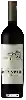
Winery Nōmade7 Lunas Malbec
 Red wine


In the mouth this red wine is a powerful with a nice freshness.
This wine generally goes well with poultry, beef or lamb.

Taste structure of the 7 Lunas Malbec from the Winery Nōmade
Light | Bold | |
Smooth | Tannic | |
Dry | Sweet | |
Soft | Acidic |
In the mouth the 7 Lunas Malbec of Winery Nōmade in the region of Mendoza is a powerful with a nice freshness.
Food and wine pairings with 7 Lunas Malbec
Pairings that work perfectly with 7 Lunas Malbec



Original food and wine pairings with 7 Lunas Malbec
The 7 Lunas Malbec of Winery Nōmade matches generally quite well with dishes of beef, lamb or poultry such as recipes of beef tongue in hot sauce, quick couscous or cheeseburger.
Details and technical informations about Winery Nōmade's 7 Lunas Malbec.
Discover the grape variety: Malbec
Deep, velvety reds with an intense purple colour, showing aromas of blackberry, black plum, violet, cocoa and gentle spice. Round tannins, fleshy palate, peppery length. Star of Cahors AOC (Côt, Auxerrois) in France and the absolute signature of Mendoza, Argentina (Uco Valley, Luján de Cuyo). A French South-West variety that became the Argentine emblem after its post-phylloxera decline.
Last vintages of this wine
The best vintages of 7 Lunas Malbec from Winery Nōmade are 2015, 0
Informations about the Winery Nōmade
The Winery Nōmade is one of of the world's great estates. It offers 28 wines for sale in the of Mendoza to come and discover on site or to buy online.

The wine region of Mendoza
World capital of Malbec: powerful, deep reds with blackberry, plum, violet and sweet spice, round tannins and vivid fruit. Also firm Cabernet Sauvignon, supple, juicy Bonarda, aromatic floral white Torrontés. High-altitude vineyards (800-1,700 m) at the foot of the Andes, dry continental climate irrigated by glacial waters. ~80% of Argentine output across 150,000 ha.
The word of the wine: Rosé de saignée
A method of making rosé wine that consists of partially draining a vat of red wine after a few hours of maceration. The longer the maceration, the stronger the colour. This practice gives rich and expressive rosés.