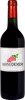
Winery Noisy WaterZia Chardonnay
 White wine
This wine generally goes well with pork, vegetarian or poultry.
Food and wine pairings with Zia Chardonnay
Pairings that work perfectly with Zia Chardonnay



Original food and wine pairings with Zia Chardonnay

The Zia Chardonnay of Winery Noisy Water matches generally quite well with dishes of pork, rich fish (salmon, tuna etc) or vegetarian such as recipes of leeks with ham and béchamel sauce, tagliatelle with fresh salmon or leek, goat cheese and bacon quiche.
Details and technical informations about Winery Noisy Water's Zia Chardonnay.
Discover the grape variety: Chardonnay
The white Chardonnay is a grape variety that originated in France (Burgundy). It produces a variety of grape specially used for wine making. It is rare to find this grape to eat on our tables. This variety of grape is characterized by small bunches, and small grapes. White Chardonnay can be found in many vineyards: South West, Burgundy, Jura, Languedoc & Roussillon, Cognac, Bordeaux, Beaujolais, Savoie & Bugey, Loire Valley, Champagne, Rhone Valley, Armagnac, Lorraine, Alsace, Provence & Corsica.
Informations about the Winery Noisy Water
The Winery Noisy Water is one of of the world's great estates. It offers 76 wines for sale in the of New Mexico to come and discover on site or to buy online.

The wine region of New Mexico
NewMexico is a landlocked state on the southern border of the United States, flanked by Texas to the southeast and Arizona to the west. The state covers 316,000 square kilometers of high-altitude desert between latitudes 31° and 37°. The main Grape varieties used for wine production in New Mexico are Syrah, Viognier, Cabernet Sauvignon, Riesling and Zinfandel. New Mexico has three American Viticultural Areas (AVAs) within its borders, all of which are located at these high altitudes: Middle Rio Grande Valley, Mimbres Valley and Mesilla Valley (which spills over into neighboring Texas).
The word of the wine: Breaking
Accident (oxidation or reduction) causing a loss of limpidity of the wine.