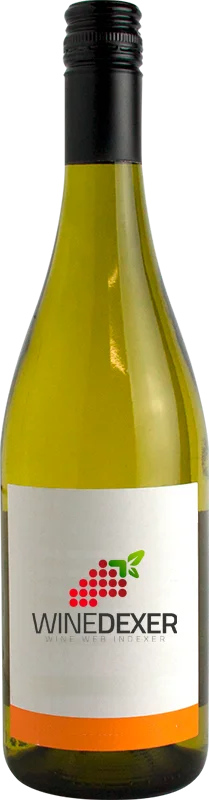
Winery NogalesEstate Sauvignon Blanc
 White wine



In the mouth this white wine is a with a nice freshness.
This wine generally goes well with vegetarian, shellfish or goat cheese.

Taste structure of the Estate Sauvignon Blanc from the Winery Nogales
Light | Bold | |
Dry | Sweet | |
Soft | Acidic |
In the mouth the Estate Sauvignon Blanc of Winery Nogales in the region of Central Valley is a with a nice freshness.
Food and wine pairings with Estate Sauvignon Blanc
Pairings that work perfectly with Estate Sauvignon Blanc


Original food and wine pairings with Estate Sauvignon Blanc
The Estate Sauvignon Blanc of Winery Nogales matches generally quite well with dishes of shellfish, vegetarian or goat cheese such as recipes of my chef's pot, spinach and goat cheese quiche or onion and goat pie.
Details and technical informations about Winery Nogales's Estate Sauvignon Blanc.
Discover the grape variety: Maratheftiko
Structured and intensely coloured age-worthy reds with a deep purple robe, firm tannins and an ample palate, signature aromas of black fruits (blackberry, blackcurrant), spices, Mediterranean garrigue and leather notes. Powerful altitude profile. Considered the finest red grape of Cyprus, experiencing a qualitative renaissance among modern Cypriot winemakers. Autochthonous black grape of Cyprus, grown at altitude in the Troodos Mountains.
Last vintages of this wine
The best vintages of Estate Sauvignon Blanc from Winery Nogales are 0
Informations about the Winery Nogales
The Winery Nogales is one of of the world's greatest estates. It offers 7 wines for sale in the of Central Valley to come and discover on site or to buy online.

The wine region of Central Valley
Heart of modern Chilean wine: structured, sunny reds, dense, blackcurranty Cabernet Sauvignon from Maipo (Chilean cradle of the grape), signature Carménère with notes of ripe pepper, black fruit and sweet spices from Colchagua, supple Merlot and deep Syrah. Round Chardonnay whites and lively, sharp Sauvignon. Mediterranean climate, 400 km between Andes and Pacific. Star sub-regions: Maipo, Cachapoal, Colchagua, Curicó, Maule.
The word of the wine: Monopoly (raw)
Cru exploited exclusively by a domain. The famous Romanée Conti is a monopoly cru.