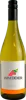
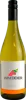
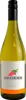
Winery Nimble HillRiesling Pennsylvania
 White wine



This wine generally goes well with pork, vegetarian or poultry.

Food and wine pairings with Riesling Pennsylvania
Pairings that work perfectly with Riesling Pennsylvania



Original food and wine pairings with Riesling Pennsylvania



The Riesling Pennsylvania of Winery Nimble Hill matches generally quite well with dishes of pork, rich fish (salmon, tuna etc) or spicy food such as recipes of andouillette with mustard sauce, tunisian sandwich or chicken tagine with lemon confit (marrakech style).
Details and technical informations about Winery Nimble Hill's Riesling Pennsylvania.
Discover the grape variety: Riesling
Crystalline, taut whites with vibrant acidity and aromas of citrus, green apple, white flowers, vineyard peach and mineral/petrol notes with age. Made as dry (Trocken, Alsace), off-dry (Kabinett, Spätlese) and sweet (Auslese, Beerenauslese, Trockenbeerenauslese, late harvest). Star of the Moselle, Rheingau, Alsace AOC and Wachau. Also exported to Clare Valley and Finger Lakes.
Last vintages of this wine
The best vintages of Riesling Pennsylvania from Winery Nimble Hill are 0
Informations about the Winery Nimble Hill
The Winery Nimble Hill is one of of the world's greatest estates. It offers 13 wines for sale in the of Pennsylvania to come and discover on site or to buy online.

The wine region of Pennsylvania
Historic East Coast vineyard (planted from 1683 by William Penn). Cabernet Franc as flagship: fresh, peppery reds with notes of raspberry, ripe bell pepper, violet and fresh herbs, supple tannins. Colourful, fruity Chambourcin hybrid (cherry, plum), off-dry Vidal Blanc with exotic fruit, aromatic Traminette (rose, lychee). Also mineral Riesling and Chardonnay.
The word of the wine: Maceration
Prolonged contact and exchange between the juice and the grape solids, especially the skin. Not to be confused with the time of fermentation, which follows maceration. The juice becomes loaded with colouring matter and tannins, and acquires aromas. For a rosé, the maceration is short so that the colour does not "rise" too much. For white wines too, a "pellicular maceration" can be practised, which allows the wine to acquire more fat.