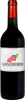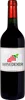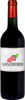
Winery NiamoriMukuzani
 Red wine



This wine generally goes well with

Details and technical informations about Winery Niamori's Mukuzani.
Discover the grape variety: Malvoisie de l' Istrie
Structured, full-bodied dry whites with a golden robe, an ample palate with preserved acidity, and signature aromas of sweet almond, ripe yellow fruits (apricot, peach), white flowers and saline, iodine-tinged notes. Also crafted as orange wine with skin maceration. The star of Istrian viticulture, it thrives on coastal limestone terroirs of the northern Adriatic. The French synonym for Malvazija Istarska, grown in Croatian and Slovenian Istria.
Last vintages of this wine
The best vintages of Mukuzani from Winery Niamori are 0
Informations about the Winery Niamori
The Winery Niamori is one of of the world's greatest estates. It offers 6 wines for sale in the of Mukuzani to come and discover on site or to buy online.

The wine region of Mukuzani
Georgian micro-AOC in Kakheti at the Caucasus foothills, clay-limestone soils. Saperavi monovarietal signature (native teinturier with red pulp, 5-6 millennia in Kakheti). Signature full-bodied deep reds with notes of black candied cherry, blackberry, plum, ink, leather, tobacco, dried herbs and a balsamic oaky touch, firm tannins and dense palate — dark robe, minimum 3-year oak ageing, long-keeping. Venerable Caucasus gastronomic wine.
The wine region of Kakheti
Cradle of amber and orange wines, vinified in qvevri (buried clay jars, UNESCO). Skin-macerated Rkatsiteli whites: signature notes of dried apricot, walnut, honey, orange peel and black tea, fine tannins and controlled oxidation. Deep, tinctorial Saperavi reds with black fruit, plum, spice and firm tannins, age-worthy. Also Mtsvane and Kisi in white, fresh and floral.
The word of the wine: Phylloxera
Aphid that came from America and ravaged European vineyards at the end of the 19th century. It lives on the roots of the vine, from which it pumps the sap. The only vines capable of resisting it had to be imported from the United States, and then grafted onto their root system the wood of traditional French grape varieties. Today, grafted vines are always planted.