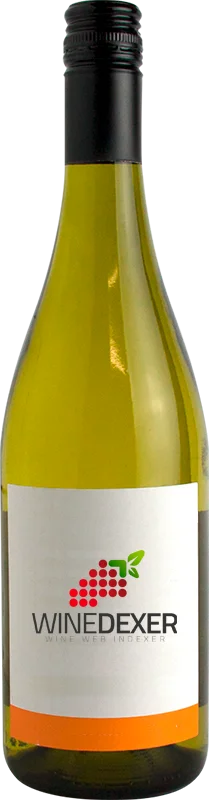
Winery Neon JunglePinot Grigio
 White wine


This wine generally goes well with poultry, veal or shellfish.
Food and wine pairings with Pinot Grigio
Pairings that work perfectly with Pinot Grigio



Original food and wine pairings with Pinot Grigio
The Pinot Grigio of Winery Neon Jungle matches generally quite well with dishes of veal, shellfish or poultry such as recipes of sauté of veal with mushrooms, tagliatelle with shrimps or jambalaya (louisiana).
Details and technical informations about Winery Neon Jungle's Pinot Grigio.
Discover the grape variety: Lakemont
Interspecific cross between ontario (winchell x diamond) and sultana made in 1972 by John Einset (1915/1981) at the New York State Agricultural Experimental Station (United States). It is certainly known in the United States but also in Canada, in many European wine-producing countries including Germany and England where it is cultivated under greenhouses and tunnels, most often cold, ... little multiplied and therefore little known in France except by amateur gardeners. The interlaken which looks a little like the himrod, the himrod and the romulus have the same parents.
Last vintages of this wine
The best vintages of Pinot Grigio from Winery Neon Jungle are 2018, 0
Informations about the Winery Neon Jungle
The Winery Neon Jungle is one of of the world's greatest estates. It offers 4 wines for sale in the of Vino da Tavola to come and discover on site or to buy online.

The wine region of Vino da Tavola
Vino da Tavola was the most basic classification of Italian wines. It is now renamed simply "Vino" and appears on labels as Vino d'Italia. The original name literally means "table wine" as opposed to premium wines from specific geographical locations (see EU wine label). In May 2011, the first legal steps were taken to abolish the Vino da Tavola category, in favor of a New classification of wines called simply Vino.
The word of the wine: Yeast
Micro-organisms at the base of all fermentative processes. A wide variety of yeasts live and thrive naturally in the vineyard, provided that treatments do not destroy them. Unfortunately, their replacement by laboratory-selected yeasts is often the order of the day and contributes to the standardization of the wine. Yeasts are indeed involved in the development of certain aromas.