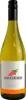
Winery NekhamGrüner Veltliner
 White wine
In the mouth this white wine is a with a nice freshness.
This wine generally goes well with pork, vegetarian or poultry.
Taste structure of the Grüner Veltliner from the Winery Nekham
Light | Bold | |
Dry | Sweet | |
Soft | Acidic |
In the mouth the Grüner Veltliner of Winery Nekham in the region of Weinland is a with a nice freshness.
Food and wine pairings with Grüner Veltliner
Pairings that work perfectly with Grüner Veltliner



Original food and wine pairings with Grüner Veltliner


The Grüner Veltliner of Winery Nekham matches generally quite well with dishes of pork, vegetarian or poultry such as recipes of soft and inexpensive pasta gratin, quiche without eggs or grandma's chicken casserole.
Details and technical informations about Winery Nekham's Grüner Veltliner.
Discover the grape variety: Cinsault
Cinsaut noir is a grape variety that originated in France (Provence). It produces a variety of grape specially used for wine making. It is rare to find this grape to eat on our tables. This variety of grape is characterized by large bunches and large grapes. Cinsaut noir can be found in several vineyards: South-West, Cognac, Bordeaux, Provence & Corsica, Rhône valley, Languedoc & Roussillon, Loire valley, Savoie & Bugey, Beaujolais, Armagnac.
Informations about the Winery Nekham
The Winery Nekham is one of of the world's greatest estates. It offers 3 wines for sale in the of Weinland to come and discover on site or to buy online.

The wine region of Weinland
Weinviertel DAC – whose name translates as "wine quarter" – is an appellation in Niederösterreich (Lower Austria). It is by far the largest Districtus Austriae Controllatus wine region in Austria. It was also the first Austrian wine region to be given that title, in 2002, with a DAC Reserve designation added in 2009. The designation applies only to white wines from the Grüner Veltliner Grape variety.
The word of the wine: Green harvest or green harvesting
The practice of removing excess bunches of grapes from certain vines, usually in July, but sometimes later. This is often necessary, but not always a good thing, as the remaining grapes tend to gain weight.