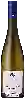
Winery NeissPinot Grigio Trocken
 White wine



In the mouth this white wine is a powerful.
This wine generally goes well with pork, cured meat or mushrooms.

Taste structure of the Pinot Grigio Trocken from the Winery Neiss
Light | Bold | |
Dry | Sweet | |
Soft | Acidic |
In the mouth the Pinot Grigio Trocken of Winery Neiss in the region of Pfalz is a powerful.
Wine flavors and olphactive analysis



On the nose the Pinot Grigio Trocken of Winery Neiss in the region of Pfalz often reveals types of flavors of earth, tree fruit or citrus fruit and sometimes also flavors of tropical fruit.
Food and wine pairings with Pinot Grigio Trocken
Pairings that work perfectly with Pinot Grigio Trocken


Original food and wine pairings with Pinot Grigio Trocken

The Pinot Grigio Trocken of Winery Neiss matches generally quite well with dishes of pork, spicy food or mushrooms such as recipes of melt-in-the-mouth pork tenderloin casserole, steak tartare or mushroom, carrot and onion pan.
Details and technical informations about Winery Neiss's Pinot Grigio Trocken.
Discover the grape variety: Duras
Structured, spicy reds with a sustained ruby robe, firm tannins and fresh acidity, with aromas of dark fruit (blackberry, blackcurrant), black pepper, spice, liquorice and balsamic notes. Dense palate, good ageing potential. Star of Gaillac AOC on the Tarn terraces (minimum 40% in reds, blended with Braucol and Syrah). Also in IGP Côtes du Tarn. Autochthonous variety of the French South-West, unrelated to the town of Duras (Lot-et-Garonne).
Last vintages of this wine
The best vintages of Pinot Grigio Trocken from Winery Neiss are 2018, 2013, 2016, 2012 and 2015.
Informations about the Winery Neiss
The Winery Neiss is one of of the world's greatest estates. It offers 60 wines for sale in the of Pfalz to come and discover on site or to buy online.

The wine region of Pfalz
Fleshy, dry, fruity Riesling is the region's signature: yellow peach, apricot, ripe citrus, lovely mineral tension. Germany's largest red-wine area (40%), with silky Spätburgunder showing red fruit and spice, darker structured Dornfelder, supple Portugieser. Some rounded Pinot Blanc and Pinot Gris. A 23,640 ha vineyard along the Haardt, among Germany's warmest (>2,000 h of sun).
The word of the wine: Malolactic fermentation
Called second fermentation or malo for short. It is the degradation (under the effect of bacteria) of the malic acid naturally present in the wine into milder, less aggressive lactic acid. Some producers or wineries refuse this operation by "blocking the malo" (by cold and adding SO2) to keep a maximum of acidity which carries the aromas and accentuates the sensation of freshness.