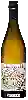
Winery NeissBurgweg Weissburgunder
 White wine


In the mouth this white wine is a with a nice freshness.
This wine generally goes well with rich fish (salmon, tuna etc), shellfish or mild and soft cheese.

Taste structure of the Burgweg Weissburgunder from the Winery Neiss
Light | Bold | |
Dry | Sweet | |
Soft | Acidic |
In the mouth the Burgweg Weissburgunder of Winery Neiss in the region of Pfalz is a with a nice freshness.
Food and wine pairings with Burgweg Weissburgunder
Pairings that work perfectly with Burgweg Weissburgunder



Original food and wine pairings with Burgweg Weissburgunder

The Burgweg Weissburgunder of Winery Neiss matches generally quite well with dishes of rich fish (salmon, tuna etc), shellfish or mild and soft cheese such as recipes of steamed ginger fish (china), fried rice with shrimp and chicken or baked tomatoes and zucchini (light).
Details and technical informations about Winery Neiss's Burgweg Weissburgunder.
Discover the grape variety: Arneis
Elegant, crisp dry whites with a pale golden robe, a supple palate and preserved acidity of refined apple, pear, white peach, sweet almond, white flowers (acacia) and calcareous mineral notes. An airy, expressive profile. Absolute star of Roero Arneis DOCG on the Roero hills, also grown in Langhe DOC. Rescued from near-extinction in the 1980s by Vietti and Bruno Giacosa. Native Piedmontese grape of the hills of Cuneo.
Last vintages of this wine
The best vintages of Burgweg Weissburgunder from Winery Neiss are 0
Informations about the Winery Neiss
The Winery Neiss is one of of the world's great estates. It offers 60 wines for sale in the of Pfalz to come and discover on site or to buy online.

The wine region of Pfalz
Fleshy, dry, fruity Riesling is the region's signature: yellow peach, apricot, ripe citrus, lovely mineral tension. Germany's largest red-wine area (40%), with silky Spätburgunder showing red fruit and spice, darker structured Dornfelder, supple Portugieser. Some rounded Pinot Blanc and Pinot Gris. A 23,640 ha vineyard along the Haardt, among Germany's warmest (>2,000 h of sun).
The word of the wine: Phenolic ripeness
A distinction is made between the ripeness of sugars and acids and the ripeness of tannins and other compounds such as anthocyanins and tannins, which will bring structure and colour. Grapes can be measured at 13° potential without having reached this phenolic maturity. Vinified at this stage, they will give hard, astringent wines, without charm.