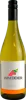
Winery Famille NégrelHorizon Cuvée Excellence Rosé
 Pink wine
This wine generally goes well with beef, lamb or mature and hard cheese.

Food and wine pairings with Horizon Cuvée Excellence Rosé
Pairings that work perfectly with Horizon Cuvée Excellence Rosé



Original food and wine pairings with Horizon Cuvée Excellence Rosé

The Horizon Cuvée Excellence Rosé of Winery Famille Négrel matches generally quite well with dishes of shellfish, appetizers and snacks or lean fish such as recipes of garlic shrimp, tuna and tomato mini quiches without batter or haddock with milk.
Details and technical informations about Winery Famille Négrel's Horizon Cuvée Excellence Rosé.
Discover the grape variety: Trebbiano Toscano
Neutral, fresh dry whites with a pale golden robe, a supple palate and preserved acidity, with subtle aromas of citrus (lemon), white flowers and herbal notes. A rustic, productive profile. Component of Italian DOC whites (Vin Santo, white Chianti), massively used for Cognac distillation (as Ugni Blanc) and Jerez brandy. The most widely planted Trebbiano variety in Italy, grown mainly in Tuscany and Emilia-Romagna.
Informations about the Winery Famille Négrel
The Winery Famille Négrel is one of of the world's greatest estates. It offers 12 wines for sale in the of Méditerranée to come and discover on site or to buy online.

The wine region of Méditerranée
Vast IGP of south-east France (Provence, Vaucluse, Var, Corsica, Ardèche), 75% rosés. Fresh, fruity rosés with signature notes of strawberry, raspberry, citrus, white flowers and a Mediterranean touch, taut and thirst-quenching on the palate — the quintessential sunny aperitif. Supple reds blending Grenache, Syrah, Cabernet and Merlot (red fruits, garrigue, spice), full whites of Viognier (apricot, flowers) and Chardonnay. Generous everyday wines, expression of the south.
The word of the wine: Crunchy
A very colorful term to designate a sensation similar to the crunchiness of a grape bursting under the tooth in young and lively wines.