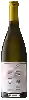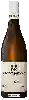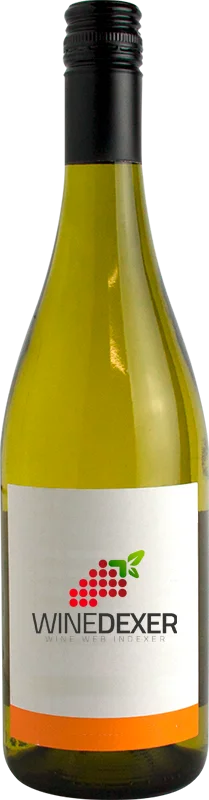
Winery NaudéOld Vines Semillon
 White wine


This wine generally goes well with poultry, rich fish (salmon, tuna etc) or shellfish.

Wine flavors and olphactive analysis





On the nose the Old Vines Semillon of Winery Naudé in the region of Western Cape often reveals types of flavors of earth, microbio or oak and sometimes also flavors of tree fruit, citrus fruit.
Food and wine pairings with Old Vines Semillon
Pairings that work perfectly with Old Vines Semillon



Original food and wine pairings with Old Vines Semillon

The Old Vines Semillon of Winery Naudé matches generally quite well with dishes of rich fish (salmon, tuna etc), shellfish or sweet desserts such as recipes of skate with vinegar and capers, small cuttlefish a la plancha or birthday cake.
Details and technical informations about Winery Naudé's Old Vines Semillon.
Discover the grape variety: Trajadura
Structured, aromatic dry whites with a pale golden robe, an ample palate and moderate acidity, with signature aromas of citrus (lemon), white-fleshed fruits (pear, apple), white flowers and mineral notes. Brings body and structure to blends. A traditional component of Vinho Verde DOC (Portugal) and Rías Baixas DO (Galicia), blended with Alvarinho/Albariño and Loureiro. Autochthonous Portuguese and Galician variety, identical to Treixadura.
Last vintages of this wine
The best vintages of Old Vines Semillon from Winery Naudé are 2016, 0
Informations about the Winery Naudé
The Winery Naudé is one of of the world's greatest estates. It offers 12 wines for sale in the of Western Cape to come and discover on site or to buy online.

The wine region of Western Cape
Cradle of South African wine. Signature Chenin Blanc (Steen, 20%) in ample, fresh whites with notes of quince, yellow apple, honey and acacia flower, from crisp dry to sweet. Sharp, iodised Sauvignon Blanc (Walker Bay, Constantia), balanced Chardonnay. Reds: emblematic Pinotage with roasted aromas (coffee, plum, smoke), firm Cabernet Sauvignon, spicy Syrah.
The word of the wine: Farm
Wine dominated by a strong acidity and/or biting tannins. In this case, the components of the wine need to melt, i.e. to harmonize during the maturation in the cellar.