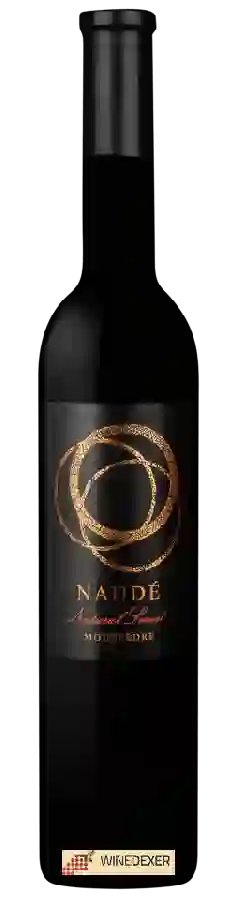
Winery NaudéNatural Sweet Mourvèdre
 Red wine


This wine generally goes well with beef

Wine flavors and olphactive analysis





On the nose the Natural Sweet Mourvèdre of Winery Naudé in the region of Western Cape often reveals types of flavors of non oak, earth or microbio and sometimes also flavors of vegetal, tree fruit or red fruit.
Food and wine pairings with Natural Sweet Mourvèdre
Pairings that work perfectly with Natural Sweet Mourvèdre

Original food and wine pairings with Natural Sweet Mourvèdre
The Natural Sweet Mourvèdre of Winery Naudé matches generally quite well with dishes of beef such as recipes of flemish beer stew.
Details and technical informations about Winery Naudé's Natural Sweet Mourvèdre.
Discover the grape variety: Mourvèdre
Powerful, deep reds with firm tannins and dense texture, showing aromas of blackberry, leather, garrigue, black pepper, liquorice and animal notes (game, forest floor) with age. Star of Bandol AOC as a single variety and pillar of Châteauneuf-du-Pape, Gigondas and Costières blends. Also in GSM in Languedoc and Australia. A late-ripening variety of Spanish origin (Mataró/Monastrell).
Last vintages of this wine
The best vintages of Natural Sweet Mourvèdre from Winery Naudé are 2014, 0
Informations about the Winery Naudé
The Winery Naudé is one of of the world's greatest estates. It offers 12 wines for sale in the of Western Cape to come and discover on site or to buy online.

The wine region of Western Cape
Cradle of South African wine. Signature Chenin Blanc (Steen, 20%) in ample, fresh whites with notes of quince, yellow apple, honey and acacia flower, from crisp dry to sweet. Sharp, iodised Sauvignon Blanc (Walker Bay, Constantia), balanced Chardonnay. Reds: emblematic Pinotage with roasted aromas (coffee, plum, smoke), firm Cabernet Sauvignon, spicy Syrah.
The word of the wine: Bleeding
Old practice for red wines. As soon as the vat is filled with grapes, the tap is opened. A sweet but clear juice escapes from the vat (it can also be used to make rosé). The colour and density of the juice is enhanced, but it should not be overdone. Rarely more than 10% of the volume of a vat, otherwise you risk losing fruit and bringing in bitterness.