The Winery Narat Zitz Rogg of Burgenland of Weinland
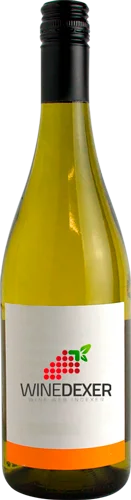
The Winery Narat Zitz Rogg is one of the best wineries to follow in Burgenland.. It offers 18 wines for sale in of Burgenland to come and discover on site or to buy online.
Looking for the best Winery Narat Zitz Rogg wines in Burgenland among all the wines in the region? Check out our tops of the best red, white or effervescent Winery Narat Zitz Rogg wines. Also find some food and wine pairings that may be suitable with the wines from this area. Learn more about the region and the Winery Narat Zitz Rogg wines with technical and enological descriptions.
How Winery Narat Zitz Rogg wines pair with each other generally quite well with dishes of shellfish, vegetarian or goat cheese such as recipes of fish and shrimp wok with curry, quiche with bacon and gruyère cheese or goat cheese omelette.
Cradle of great Austrian reds. Signature Blaufränkisch: structured, spicy reds with black fruits (blackberry, black cherry), firm tannins and lively acidity, mineral profile. More supple Zweigelt on red fruit. Lively Welschriesling, peppery Grüner Veltliner, round Chardonnay whites.
Around Lake Neusiedl, the lake microclimate favours noble rot: botrytised sweet wines (TBA, Beerenauslese) with notes of honey, candied apricot, saffron. 16,000 ha, Pannonian climate.
How Winery Narat Zitz Rogg wines pair with each other generally quite well with dishes such as recipes .
Round, supple whites with a soft palate, showing discreet aromas of apple, pear, fresh almond, white flowers and brioche notes. Moderate acidity, light finish. Star of Crémant d'Alsace (fine, taut sparkling) and base of Edelzwicker. Grown in Germany (Weissburgunder, Baden-Württemberg), northern Italy (Pinot Bianco, Alto Adige), Austria and Luxembourg. A white mutation of Pinot Noir.
Planning a wine route in the of Burgenland? Here are the wineries to visit and the winemakers to meet during your trip in search of wines similar to Winery Narat Zitz Rogg.
Light, aromatic whites with a tender palate and moderate acidity, with muscat-like aromas of white flowers, apple, citrus, peach and honeyed notes. Made as easy dry whites, popular semi-dry wines and some sparkling cuvées. Widely planted in Germany (Rheinhessen, Baden), northern Italy (Alto Adige, Trentino), Austria, Switzerland, Hungary and Japan. Cross of riesling × madeleine royale created in 1882 by Hermann Müller in Geisenheim.