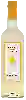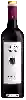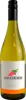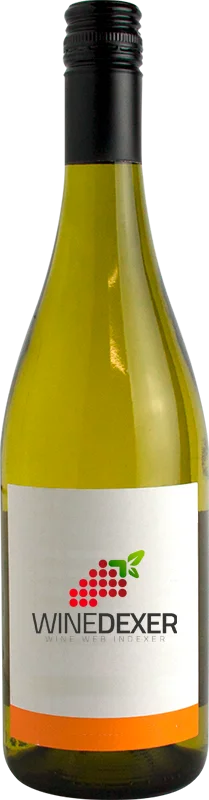
Winery Naked Grape (Canada)Sauvignon Blanc Unoaked
 White wine


This wine generally goes well with vegetarian, rich fish (salmon, tuna etc) or shellfish.
Wine flavors and olphactive analysis


On the nose the Sauvignon Blanc Unoaked of Winery Naked Grape (Canada) in the region of Ontario often reveals types of flavors of oak, citrus fruit.
Food and wine pairings with Sauvignon Blanc Unoaked
Pairings that work perfectly with Sauvignon Blanc Unoaked



Original food and wine pairings with Sauvignon Blanc Unoaked
The Sauvignon Blanc Unoaked of Winery Naked Grape (Canada) matches generally quite well with dishes of rich fish (salmon, tuna etc), shellfish or vegetarian such as recipes of tuna nuggets, my chef's pot or light tuna-tomato quiche (without cream).
Details and technical informations about Winery Naked Grape (Canada)'s Sauvignon Blanc Unoaked.
Discover the grape variety: Aubin vert
Aubin vert blanc is a grape variety that originated in France (Lorraine). It produces a variety of grape specially used for wine making. It is rare to find this grape to eat on our tables. This variety of grape is characterized by large bunches of grapes of medium size. Aubin vert blanc can be found cultivated in these vineyards: South West, Cognac, Bordeaux, Provence & Corsica, Languedoc & Roussillon, Rhone Valley.
Last vintages of this wine
The best vintages of Sauvignon Blanc Unoaked from Winery Naked Grape (Canada) are 2010, 2008, 0
Informations about the Winery Naked Grape (Canada)
The Winery Naked Grape (Canada) is one of of the world's greatest estates. It offers 17 wines for sale in the of Ontario to come and discover on site or to buy online.

The wine region of Ontario
Ontario is the most populated and prolific wine producing province in Canada. The Long established wine industry here is centered around the Great Lakes of Erie and Ontario, where the continental Climate is moderated heavily by the large bodies of water. The majority of wines produced in Ontario are Dry table wines (around 60 percent are white and 40 percent red). They are mostly made from Riesling, Cabernet Franc, Chardonnay, and Pinot Noir.
The word of the wine: Clone
A vine propagated from a single specimen (by cuttings or grafting), as opposed to mass selection, which starts from a family of vines.