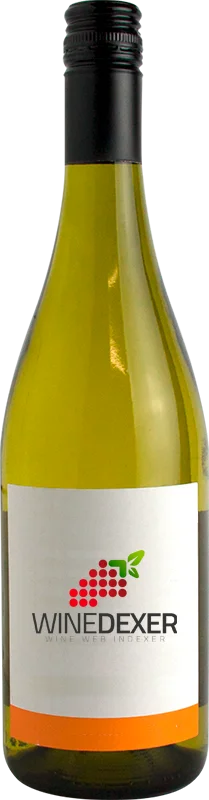
Winery NadinWhite Reserva
 White wine



This wine generally goes well with

Details and technical informations about Winery Nadin's White Reserva.
Discover the grape variety: Aligoté
Lively, taut whites with chiselled acidity and an airy palate, with aromas of lemon, green apple, white flowers, fresh almond and chalky notes. Typically saline finish. Star of Bouzeron AOC (the only single-variety aligoté appellation) and Bourgogne Aligoté AOC. Also used in Crémant de Bourgogne and the iconic kir cocktail (with blackcurrant liqueur). Historic Burgundian variety, a cross of pinot noir × gouais blanc, half-sibling of chardonnay.
Informations about the Winery Nadin
The Winery Nadin is one of of the world's greatest estates. It offers 6 wines for sale in the of Australie du Sud to come and discover on site or to buy online.

The wine region of Australie du Sud
Cradle of the great Australian Shiraz: powerful, sun-drenched reds with notes of blackberry, candied plum, pepper, chocolate and eucalyptus, ample tannins and vibrant fruit (Barossa, McLaren Vale). Firm, minty Cabernet Sauvignon on Coonawarra (terra rossa). Dry, lemony Riesling from Clare and Eden Valley, straight and taut. Fresh Sauvignon and Chardonnay from Adelaide Hills.
The word of the wine: Pulp
Fleshy and juicy part of the grape berry, it contains sugars, organic acids and various nitrogenous and mineral compounds.