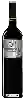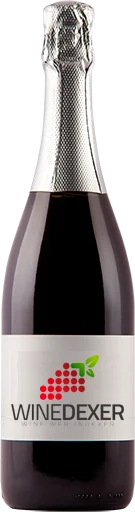
Winery MuredaCuvée Organio Brut
 Sparkling wine



In the mouth this sparkling wine is a with fine and regular bubbles.
This wine generally goes well with appetizers and snacks, lean fish or shellfish.

Taste structure of the Cuvée Organio Brut from the Winery Mureda
Light | Bold | |
Soft | Acidic | |
Gentle | Fizzy |
In the mouth the Cuvée Organio Brut of Winery Mureda in the region of Castille is a with fine and regular bubbles.
Food and wine pairings with Cuvée Organio Brut
Pairings that work perfectly with Cuvée Organio Brut



Original food and wine pairings with Cuvée Organio Brut

The Cuvée Organio Brut of Winery Mureda matches generally quite well with dishes of shellfish, appetizers and snacks or lean fish such as recipes of fish and seafood gratin, bacon dates or back of cod steamed with small vegetables.
Details and technical informations about Winery Mureda's Cuvée Organio Brut.
Discover the grape variety: Rousse
Light, fruity reds with a pale ruby robe, soft tannins, and an airy palate with moderate acidity, offering understated red-fruit aromas. A discreet, rustic southern profile. Nearly extinct, preserved in INRAE varietal collections, it testifies to the pre-phylloxera ampelographic diversity of the southern French vineyard.
Last vintages of this wine
The best vintages of Cuvée Organio Brut from Winery Mureda are 0
Informations about the Winery Mureda
The Winery Mureda is one of of the world's great estates. It offers 38 wines for sale in the of Castille to come and discover on site or to buy online.

The wine region of Castille
Cradle of great Castilian reds, high-altitude plateaus (450-1000 m) along the Duero. Tempranillo king (aka Tinta de Toro, Tinto Fino): powerful, concentrated, structured reds with notes of black cherry, plum, leather, tobacco and spice, firm tannins from altitude and cool nights. Stars: Ribera del Duero (Vega Sicilia, Pingus), fleshy Toro, Bierzo (floral, mineral Mencía). Lively, herbaceous Verdejo whites from Rueda.
The word of the wine: Wooded
A set of aromas brought about by ageing in barrels (usually oak). This can be pleasant when, in small doses, it brings a touch of spice, roast or vanilla to an already constructed ensemble. When the violent woodiness dominates the wine, it is quickly tiring. Easily identifiable aromatically, it is sought after (to the point of abuse) by the makers of coarse wines. New World manufacturers and, alas, some French winemakers use oak chips to impart the woody taste, which is tantamount to artificial flavoring.