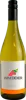
Moothi EstateMudgee Rocky Waterhole Road Rose
 Pink wine



This wine generally goes well with beef, lamb or mature and hard cheese.
Food and wine pairings with Mudgee Rocky Waterhole Road Rose
Pairings that work perfectly with Mudgee Rocky Waterhole Road Rose



Original food and wine pairings with Mudgee Rocky Waterhole Road Rose

The Mudgee Rocky Waterhole Road Rose of Moothi Estate matches generally quite well with dishes of beef, lamb or spicy food such as recipes of daube niçoise, lamb marinated in white wine or scallops with cream.
Details and technical informations about Moothi Estate's Mudgee Rocky Waterhole Road Rose.
Discover the grape variety: Lafnetscha
Native grape variety of the Swiss high Valais very old cultivated. Resulting from a natural intraspecific crossing between humagne blanche and completer, it is also related to bondola blanca, bondoletta, colombaud, ... . It should be noted that the Lafnetscha is not widely multiplied in Switzerland today, and is virtually unknown in France and even less so in other wine-producing countries.
Last vintages of this wine
The best vintages of Mudgee Rocky Waterhole Road Rose from Moothi Estate are 0
Informations about the Moothi Estate
The Moothi Estate is one of of the world's greatest estates. It offers 9 wines for sale in the of Nouvelle-Galles du Sud to come and discover on site or to buy online.

The wine region of Nouvelle-Galles du Sud
The NewSouthWales wine appellation is made up of 16 different regions and covers approximately 810,000 square kilometres (312,000 square miles). This is the Size of the state of New South Wales, one of the six that make up the federal Commonwealth of Australia. Although it is one of the smallest Australian states geographically, it has been the most populous since the first European settlements in the 18th century. The South East Australia GI area is the largest in Australia and can include any wine produced in New South Wales as well as Victoria, Tasmania and Parts of South Australia.
The word of the wine: INAO
National Institute of Origin and Quality. French organization depending on the Ministry of Agriculture and in charge of quality signs: AOC, IGP, labels and organic farming.