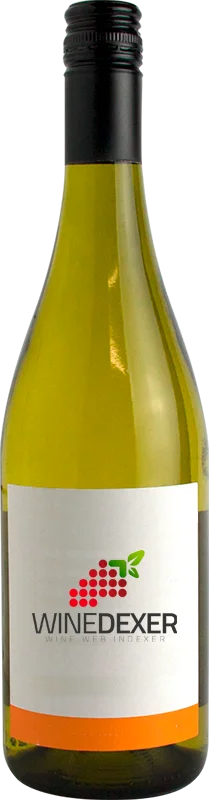
Winery MontlouisMoelleux
 Sweet wine



This wine generally goes well with fruity desserts, lean fish or shellfish.

Food and wine pairings with Moelleux
Pairings that work perfectly with Moelleux


Original food and wine pairings with Moelleux
The Moelleux of Winery Montlouis matches generally quite well with dishes of shellfish, lean fish or fruity desserts such as recipes of parillade of fish and seafood, zarzuela mayonapo or apple pie.
Details and technical informations about Winery Montlouis's Moelleux.
Discover the grape variety: Chenin blanc
Chameleon whites with taut acidity, ranging from mineral dry (Savennières, Vouvray sec) to off-dry and medium-sweet (Vouvray, Montlouis), sumptuous botrytised sweet (Quarts-de-Chaume, Bonnezeaux, Coteaux du Layon) and brilliant sparkling (Crémant de Loire, Vouvray brut). Aromas of quince, apple, honey, white flowers, beeswax and flint. An Anjou variety, also star of South Africa's Western Cape.
Last vintages of this wine
The best vintages of Moelleux from Winery Montlouis are 2011, 2015, 2014
Informations about the Winery Montlouis
The Winery Montlouis is one of of the world's greatest estates. It offers 42 wines for sale in the of Montlouis-sur-Loire to come and discover on site or to buy online.

The wine region of Montlouis-sur-Loire
100% Chenin Blanc on the south bank of the Loire in Touraine (385 ha): wide stylistic palette from sparkling brut to lusciously sweet. Taut and mineral dry with citrus, green apple and quince. Round and honeyed off-dry. Opulent sweet and lusciously sweet with exotic fruits, candied quince and apricot aromas.
The wine region of Loire Valley
Kingdom of lively, dry whites and fine sparklers. Mineral, taut Sauvignon Blanc (Sancerre, Pouilly-Fumé) with citrus and gunflint notes. Multiform Chenin Blanc (Vouvray, Savennières, Layon): straight dry, floral off-dry or noble sweet honey-quince. Saline, iodised Muscadet (Melon B.
The word of the wine: Chaptalization
The addition of sugar at the time of fermentation of the must, an ancient practice, but theorized by Jean-Antoine Chaptal at the dawn of the 19th century. The sugar is transformed into alcohol and allows the natural degree of the wine to be raised in a weak or cold year, or - more questionably - when the winegrower has a harvest that is too large to obtain good maturity.