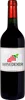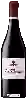
Winery Marques de MontinoTinto
 Red wine


In the mouth this red wine is a powerful with a nice balance between acidity and tannins.
This wine generally goes well with poultry, beef or veal.

Taste structure of the Tinto from the Winery Marques de Montino
Light | Bold | |
Smooth | Tannic | |
Dry | Sweet | |
Soft | Acidic |
In the mouth the Tinto of Winery Marques de Montino in the region of Castille is a powerful with a nice balance between acidity and tannins.
Food and wine pairings with Tinto
Pairings that work perfectly with Tinto



Original food and wine pairings with Tinto

The Tinto of Winery Marques de Montino matches generally quite well with dishes of beef, pasta or veal such as recipes of cataplana with seafood, salmon and spinach lasagna or roast veal with mustard cream.
Details and technical informations about Winery Marques de Montino's Tinto.
Discover the grape variety: Blanqueiron
Simple fresh whites with low aromatics, pale golden robe, supple palate with moderate acidity, discreet aromas of citrus and white flowers. Discreet rustic South-West profile. Nearly extinct, preserved in INRAE ampelographic collections for its heritage value, it bears witness to the pre-phylloxera ampelographic heritage of the South-West. Rare French white grape, once cultivated in the South-West.
Last vintages of this wine

The best vintages of Tinto from Winery Marques de Montino are 0, 2018
Informations about the Winery Marques de Montino
The Winery Marques de Montino is one of of the world's greatest estates. It offers 12 wines for sale in the of Castille to come and discover on site or to buy online.

The wine region of Castille
Cradle of great Castilian reds, high-altitude plateaus (450-1000 m) along the Duero. Tempranillo king (aka Tinta de Toro, Tinto Fino): powerful, concentrated, structured reds with notes of black cherry, plum, leather, tobacco and spice, firm tannins from altitude and cool nights. Stars: Ribera del Duero (Vega Sicilia, Pingus), fleshy Toro, Bierzo (floral, mineral Mencía). Lively, herbaceous Verdejo whites from Rueda.
The word of the wine: Bleeding
Old practice for red wines. As soon as the vat is filled with grapes, the tap is opened. A sweet but clear juice escapes from the vat (it can also be used to make rosé). The colour and density of the juice is enhanced, but it should not be overdone. Rarely more than 10% of the volume of a vat, otherwise you risk losing fruit and bringing in bitterness.