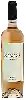
Winery Montinho São MiguelRosé
 Pink wine



This wine generally goes well with beef, lamb or mature and hard cheese.

Wine flavors and olphactive analysis

On the nose the Rosé of Winery Montinho São Miguel in the region of Alentejano often reveals types of flavors of non oak, oak or red fruit.
Food and wine pairings with Rosé
Pairings that work perfectly with Rosé



Original food and wine pairings with Rosé

The Rosé of Winery Montinho São Miguel matches generally quite well with dishes of beef, lamb or spicy food such as recipes of dombrés and pig tails, ghormeh sabzi (iranian herbed lamb stew) or daube niçoise.
Details and technical informations about Winery Montinho São Miguel's Rosé.
Discover the grape variety: Touriga nacional
Deep, concentrated reds with a near-black robe, firm but polished tannins, showing aromas of blackberry, blackcurrant, violet, bergamot, liquorice, black pepper and characteristic floral notes. Pillar of great vintage Ports (Quinta do Noval, Taylor's) and signature of modern dry Douro DOC and Dão DOC. Also exported to Australia and California. Portugal's most noble variety.
Last vintages of this wine
The best vintages of Rosé from Winery Montinho São Miguel are 2016, 2018, 2014, 0 and 2013.
Informations about the Winery Montinho São Miguel
The Winery Montinho São Miguel is one of of the world's greatest estates. It offers 7 wines for sale in the of Alentejano to come and discover on site or to buy online.

The wine region of Alentejano
Star of southern Portugal's great reds, sunny and opulent wines. Typical blends: round fruity Aragonez (Tempranillo), spicy Trincadeira, Touriga Nacional (black fruits, violet), deep teinturier Alicante Bouschet, juicy Castelão. Fleshy reds with notes of plum, black cherry, cocoa and sweet spices, melted tannins. Ample fresh Antão Vaz and Arinto whites.
The word of the wine: Game
A family of animal aromas reminiscent of venison and present in certain old red wines. See venison.