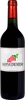
Winery Monte RossoNerone
 Red wine



This wine generally goes well with pork, vegetarian or veal.

Wine flavors and olphactive analysis


On the nose the Nerone of Winery Monte Rosso in the region of Istra often reveals types of flavors of red fruit.
Food and wine pairings with Nerone
Pairings that work perfectly with Nerone



Original food and wine pairings with Nerone


The Nerone of Winery Monte Rosso matches generally quite well with dishes of lamb, veal or pork such as recipes of original mafé with okra, beef colombo bourguignon style or kale soup.
Details and technical informations about Winery Monte Rosso's Nerone.
Discover the grape variety: Danam
Simple, fresh dry whites with a pale golden robe, a supple palate with moderate acidity, and undemonstrative aromas of citrus and white flowers. A discreet rustic profile. Preserved in a few ampelographic collections, Danam is an ancient heritage variety whose commercial cultivation has almost vanished; it is studied for its genetic and historical interest. A rare, poorly documented white grape grown in negligible quantities.
Last vintages of this wine
The best vintages of Nerone from Winery Monte Rosso are 2016, 0
Informations about the Winery Monte Rosso
The Winery Monte Rosso is one of of the world's greatest estates. It offers 4 wines for sale in the of Istra to come and discover on site or to buy online.

The wine region of Istra
Istrian peninsula on the Adriatic, Croatia's smallest wine region but one of its most renowned. Signature Malvazija Istarska (50-70%): expressive, lively whites with notes of acacia, green apple, citrus, fresh almond and marked saline minerality - a perfect match with seafood. Native Teran in tannic, tangy red (blackberry, blood, earth), a unique profile. Also dense Refošk, round Merlot.
The word of the wine: Oxidized
Altered by oxidation.