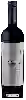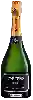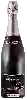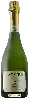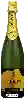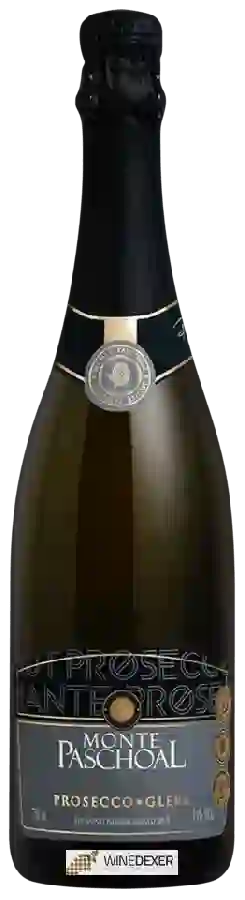
Winery Monte PaschoalProsecco
 Sparkling wine


In the mouth this sparkling wine is a with a nice vivacity and a fine and pleasant bubble.
This wine generally goes well with pork, rich fish (salmon, tuna etc) or shellfish.

Taste structure of the Prosecco from the Winery Monte Paschoal
Light | Bold | |
Soft | Acidic | |
Gentle | Fizzy |
In the mouth the Prosecco of Winery Monte Paschoal in the region of Rio Grande do Sul is a with a nice vivacity and a fine and pleasant bubble.
Food and wine pairings with Prosecco
Pairings that work perfectly with Prosecco



Original food and wine pairings with Prosecco
The Prosecco of Winery Monte Paschoal matches generally quite well with dishes of pork, rich fish (salmon, tuna etc) or shellfish such as recipes of beef stew, cod rougail or fish shells.
Details and technical informations about Winery Monte Paschoal's Prosecco.
Discover the grape variety: Királyleányka
Lively, aromatic whites best enjoyed young, with a pale golden robe, airy palate with preserved acidity, and signature muscat, floral (acacia, orange blossom) and white fruit (pear, apple) aromas. Productive variety contributing to dry and off-dry Hungarian and Romanian whites, mainly in Transylvania and central Hungary. Hungarian autochthonous white grape whose name means "little princess".
Last vintages of this wine

The best vintages of Prosecco from Winery Monte Paschoal are 2016, 2015, 2008, N.V.
Informations about the Winery Monte Paschoal
The Winery Monte Paschoal is one of of the world's great estates. It offers 56 wines for sale in the of Serra Gaúcha to come and discover on site or to buy online.

The wine region of Serra Gaúcha
Brazil's wine capital, Rio Grande do Sul. Specialty: high-quality traditional-method sparklers, fine and fruity (apple, citrus, white flowers), elegant bubble, alpine expression of the south. Still wines mostly European: round fruity Merlot, firm Cabernet Sauvignon, more tannic Tannat, fresh Chardonnay, supple Riesling Italico, fine Pinot Noir. Marked by Italian immigration in 1875, humid climate tempered by altitude.
The wine region of Rio Grande do Sul
Brazil's winemaking heart (~80% of production), Italian tradition. Recognised specialty: traditional-method sparkling wines (espumantes), fresh and fruity, based on Chardonnay and Pinot Noir, among South America's finest. Accessible reds: supple, fruity Merlot (plum, cherry), fleshy Cabernet Sauvignon, dense, tannic Tannat. Round Chardonnay, light Riesling Italico, sweet, floral Moscato whites.
The word of the wine: Malolactic fermentation
Called second fermentation or malo for short. It is the degradation (under the effect of bacteria) of the malic acid naturally present in the wine into milder, less aggressive lactic acid. Some producers or wineries refuse this operation by "blocking the malo" (by cold and adding SO2) to keep a maximum of acidity which carries the aromas and accentuates the sensation of freshness.