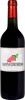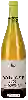
Winery MontazellisCuvee Etienne
 Red wine
This wine generally goes well with beef, veal or pasta.
Food and wine pairings with Cuvee Etienne
Pairings that work perfectly with Cuvee Etienne



Original food and wine pairings with Cuvee Etienne
The Cuvee Etienne of Winery Montazellis matches generally quite well with dishes of beef, pasta or veal such as recipes of venison stew to be prepared the day before, roast beef in a foie gras and chanterelle crust or sauté of veal with the moulinex cookeo.
Details and technical informations about Winery Montazellis's Cuvee Etienne.
Discover the grape variety: Fantasy seedless
Cross between B36-27 and P64-18 obtained in the United States (California) by David Wilder Ramming and Ronald Tarailo and where it is cultivated since 1994. The slightly foxed taste of its flesh makes us think that there was an intervention of a direct producer hybrid itself with a foxed taste.
Informations about the Winery Montazellis
The Winery Montazellis is one of of the world's greatest estates. It offers 2 wines for sale in the of Languedoc to come and discover on site or to buy online.

The wine region of Languedoc
Languedoc (formerly Coteaux du Languedoc) is a key appellation used in the Languedoc-Roussillon wine region of southern France. It covers Dry table wines of all three colors (red, white and rosé) from the entire region, but leaves Sweet and Sparkling wines to other more specialized appellations. About 75% of all Languedoc wines are red, with the remaining 25% split roughly down the middle between whites and rosés. The appellation covers most of the Languedoc region and almost a third of all the vineyards in France.
The wine region of Languedoc-Roussillon
Languedoc (formerly Coteaux du Languedoc) is a key appellation used in the Languedoc-Roussillon wine region of southern France. It covers Dry table wines of all three colors (red, white and rosé) from the entire region, but leaves Sweet and Sparkling wines to other more specialized appellations. About 75% of all Languedoc wines are red, with the remaining 25% split roughly down the middle between whites and rosés. The appellation covers most of the Languedoc region and almost a third of all the vineyards in France.
The word of the wine: Bâtonnage
A very old technique that has come back into fashion in modern oenology, which consists of shaking the white wine in the barrels at the end of fermentation, or after fermentation, with a stick or a flail, in order to suspend the fine lees composed of yeasts at the end of their activity. This process is sometimes used for red wines.